I. Basic Information on Electric Screw Presses
II. Core Advantages and Technical Features of AYANK FORGING J58KA Series Electric Screw Presses
III. Value Provided to Customers by the J58KA Series Electric Screw Presses
IV. Application Scope and Scenarios of Forging Presses
V. Value-Added Services and After-Sales Support for AYANK FORGING Electric Screw Presses
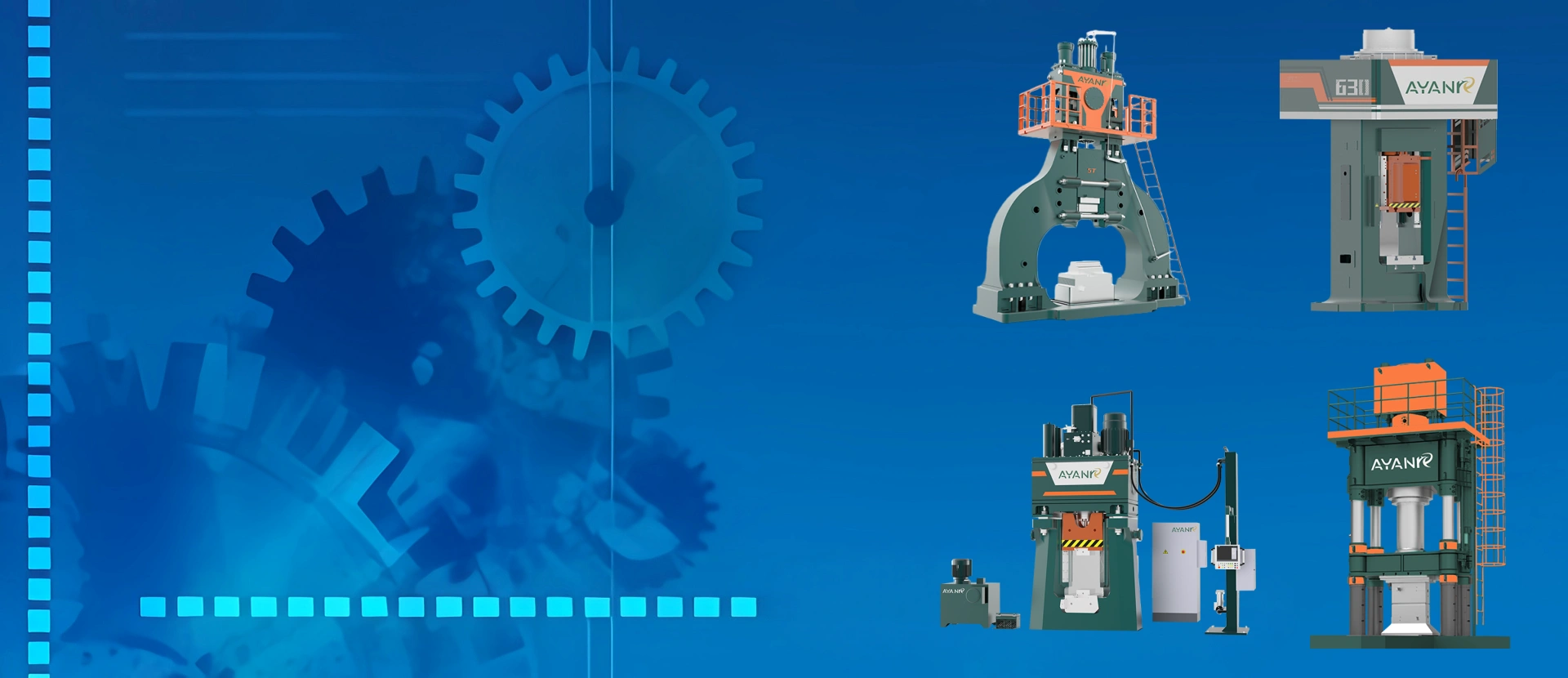
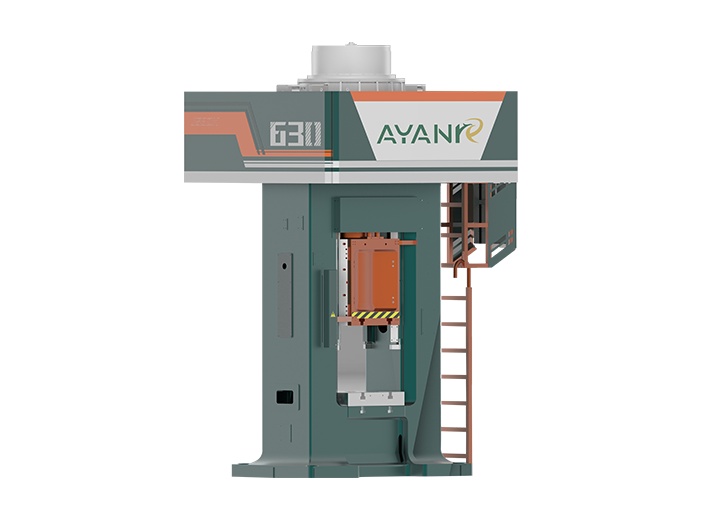
Focusing on the core demands of "greater automation compatibility, better reliability, and higher output," it provides the forging equipment industry with a new generation of intelligent forging equipment. It is an upgraded iteration product of friction presses, incorporating the dual attributes of forging hammers and presses. It adapts to multi-scenario precision forging needs, assisting enterprises in transitioning towards green and intelligent manufacturing.
Screw Forging Machine Series: J58K series CNC electric screw presses, J58ZK series servo direct-drive electric screw presses.
Precision Forging Press Models and Specifications:

J58K series, specification range: J58K 250-ton to 10000-ton. Models include: J58K-250 ton, J58K-315 ton, J58K-400 ton, J58K-630 ton, J58K-1000 ton, J58K-1600 ton, J58K-2500 ton, J58K-4000 ton, J58K-6300 ton, J58K-8000 ton, J58K-10000 ton. A total of 11 specifications, supporting customized requirements.
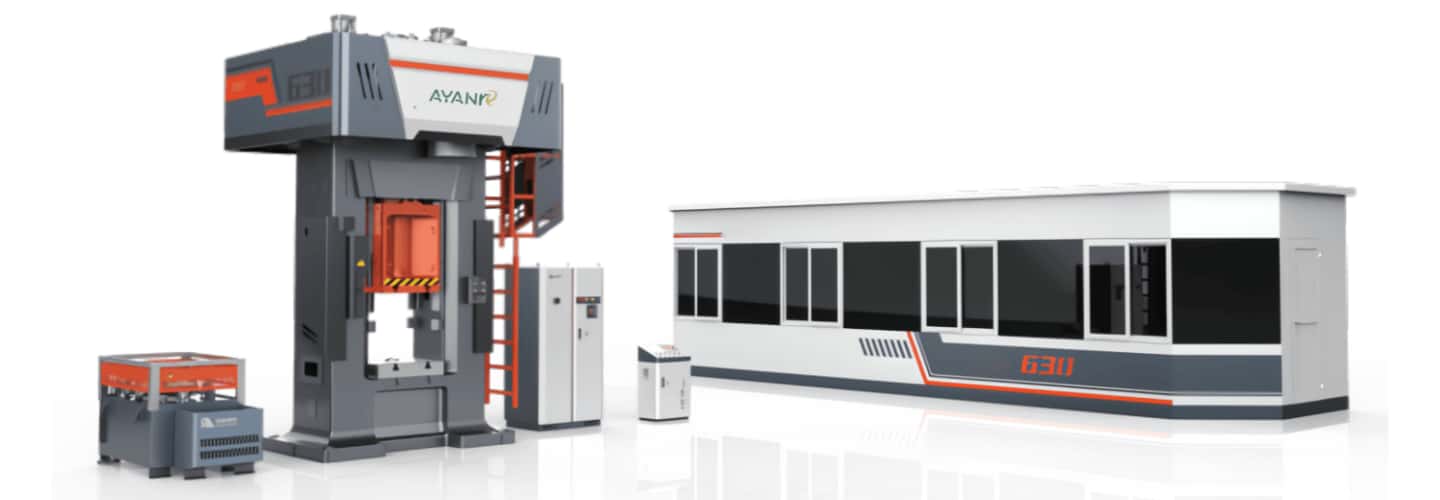
J58ZK series, specification range: J58ZK 250-ton to 10000-ton. Models include: J58ZK-250 ton, J58ZK-315 ton, J58ZK-400 ton, J58ZK-630 ton, J58ZK-1000 ton, J58ZK-1600 ton, J58ZK-2500 ton, J58ZK-4000 ton, J58ZK-6300 ton, J58ZK-8000 ton, J58ZK-10000 ton. A total of 11 specifications, supporting customized requirements.
Representative Large-tonnage Electric Screw Presses: J58K-10000 ton and J58ZK-10000 ton, ranking within the industry's first tier of large-tonnage products.
Key Operating Parameters: Slide speed approximately 0.5-0.7 m/s, repeatability control accuracy for blow energy within ±3%, maximum pressure is 2 times the rated pressure, and long-term allowable pressure is 1.6 times the rated pressure.
Utilizing frequency conversion control (J58K series) and servo direct-drive technology (J58ZK series), it replaces traditional friction disk transmission with a digital control system, shortens the transmission chain, and achieves precise closed-loop control of blow energy and stroke position. It features a simple structure, energy efficiency, low noise, and minimal vibration. It is suitable for processes such as pre-forging, precision forging, trimming, sizing, and coining for steel, aluminum, and other alloys. It supports multiple operating modes including single blow, continuous blow, and inching, meeting diverse process requirements such as hot forging, precision forging, and finishing.
vs Crank-driven Mechanical Presses: No fixed bottom dead center; forging stroke height is digitally adjustable, accommodating complex die design and multi-station forging.
vs Die Forging Hammers / Hot Die Forging Presses: Wider process adaptability and higher cost-effectiveness; simpler structure for easier maintenance, reducing maintenance costs by over 30%.
vs Friction Presses / Hydraulic Presses: Shorter transmission chain (no friction disks), increasing blow efficiency by over 20% and reducing operating noise by over 40%; more precise blow energy control; 50%-55% more energy-efficient than friction presses; eliminates hydraulic oil contamination issues.
Industry Positioning: Compared to similar products, it offers superior resistance to eccentric loading, higher intelligent control levels, and better compatibility with automated forging. The performance of its large-tonnage products matches international advanced standards, while the price is only about one-third that of equivalent international forging equipment.
High Forging Precision: Utilizes Siemens PLC controllers, ABB frequency converters, and position encoders to build an HMI human-machine interface. This enables digital setting and real-time feedback of blow energy and slide position. Closed-loop stroke control ensures forging precision and consistency, suitable for precision forging of complex workpieces.
Sufficient Allowable Load: Maximum pressure reaches twice the rated pressure, with a long-term allowable pressure of 1.6 times the rated pressure. The high overload coefficient, combined with a flywheel friction overload protection mechanism, strictly controls the maximum blow force, preventing impact on the power grid and surrounding equipment, ensuring ample safety redundancy.
Significant Energy Efficiency: Optimized screw-nut structure (unique thread profile design, scientific lead angle ψ and thread angle α, high surface strength/roughness with sufficient lubrication) reduces frictional energy loss. Employs a prestressed frame, finite element force optimization, and high-quality casting/heat treatment processes to minimize frame deformation loss. A proprietary "short-stroke blow" function leverages the PLC's rapid calculation and the frequency converter's fast response, achieving high blow frequency under low-energy settings, increasing production efficiency by over 5% and saving 50%-55% more energy compared to friction presses.
Strong Blow Energy and Excellent Resistance to Eccentric Loading: High blow energy combined with stable slide speed accommodates forging of products with deep cavities. Features a long slide, long guides, and a robust screw structure, coupled with a heavy-duty split dual-guide design, delivering outstanding resistance to eccentric loading, enabling multi-cavity forging for pre-forging and precision forging.
Wide Process Adaptability: Combines the dual attributes of forging hammers and presses. The absence of a fixed bottom dead center allows for convenient stroke adjustment, facilitating multi-station forging. Suitable for various materials including steel, aluminum, and titanium alloys, covering diverse processes such as hot forging, precision forging, and finishing.
Safe and Reliable Operation: Equipped with an automatic central lubrication system, extending the service life of key components by 3 times. No clutches or complex brakes result in a simple structure with low failure rates. A new brake design achieves rapid braking. The material quality of main components exceeds industry standards, ensuring strong operational stability.
Core Functional Modules
Program and Status Management: Supports program-based forging, automatically executing preset blow parameters. Monitors in real-time blow stroke, energy, slide position, and blow count. Simultaneously collects data on motor voltage, current, torque, speed; frequency converter operational status; transmission temperature curve; PLC inputs/outputs; and final forging thickness. Achieves full-process closed-loop control.
Efficiency and Energy Consumption Evaluation: Automatically calculates time utilization rate, full production rate, quality index, and power consumption. Generates Overall Equipment Effectiveness (OEE) reports, providing data support for production optimization and energy consumption management.
Operation, Maintenance, and Early Warning Management: Built-in I/O mapping tables, quick start guides, common fault guides, maintenance schedules, and electrical/mechanical manuals. Enables intelligent management of maintenance cycles and traceability of historical alarm records, reducing unplanned downtime.
Core System Value of Electric Screw Presses
Predictive: Based on periodic production statistics, accurately forecasts trends in forging output changes.
Decision-making: Leverages statistical analysis of energy consumption data to optimize forging equipment scheduling and reduce energy waste.
Preventive: Provides early warnings for potential equipment failures, shortens repair downtime, and ensures production continuity.
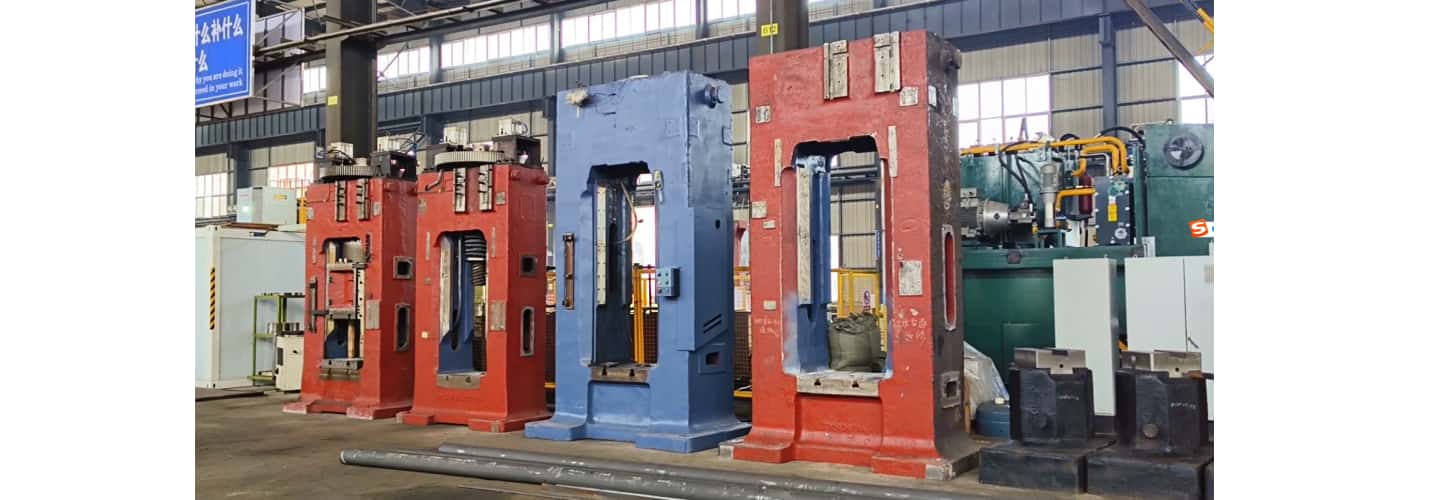
Customizable Body: Offers various body types, allowing for a "custom-tailored" configuration based on production needs. The high-strength cast steel body, combined with a pre-stressed design, delivers excellent rigidity and strength. Optimized through finite element analysis for force distribution, resulting in minimal deformation.
Automation Compatibility: Optionally compatible with peripheral equipment such as intelligent modules, quick die change systems, mold spray lubrication systems, and fume treatment equipment. Features low impact and vibration, facilitating easy integration into automated production lines and suitability for large-scale continuous production.
Enhanced Forging Production Efficiency: The frequency conversion motor drive system offers fast response, short cycle time, and high impact frequency, making it more suitable for small-to-medium and large batch forging production compared to traditional hydraulic presses. Combined with the "short-stroke blow" function, it further shortens the forging production cycle.
Significant Energy Saving and Consumption Reduction: The shortened transmission chain improves energy efficiency utilization. The motor only operates when working, reducing no-load energy consumption. It saves 50%-55% more energy than friction presses, with no hydraulic oil consumption, thereby reducing environmental treatment costs.
Optimized Forging Quality: Digital closed-loop control ensures forging precision and repeatability (error within ±3%), improves product consistency, lowers the scrap rate, and meets the demands of high-end precision forgings.
Reduced Equipment Operation and Maintenance Burden: Simple structure with fewer wear parts significantly reduces maintenance frequency and costs. Low lubrication requirements decrease lubricant consumption and environmental pressure. Extended service life of key components increases the overall service life of the forging equipment to over 1.5 times the industry average.
Improved Working Environment: Low operating noise, absence of oil pollution, enabling clean production that meets green manufacturing standards, enhancing workshop comfort and compliance.
Economic Benefits: Increased efficiency, reduced energy consumption, and lower maintenance costs lead to a 15%-20% decrease in comprehensive production costs and a shortened investment payback period.
Technical Benefits: High forming precision, leading levels of automation and intelligence, and controllable/adjustable parameters help overcome traditional forging process bottlenecks.
Quality Benefits: Improved product consistency and reduced scrap rate help enterprises enter the high-end forging market and enhance product competitiveness.
Environmental Benefits: Noise compliance and reduced oil pollution align with "green and environmentally friendly" goals, helping to avoid environmental compliance risks.
Strategic and Long-term Benefits: Drives the enterprise's transformation and upgrading towards intelligent and green manufacturing, achieving goals of reducing manpower and increasing efficiency, enhancing brand image and market competitiveness, and aligning with the industry's trend towards high-end development.
Suitable for processes such as precision forging, precision pressing, coining, finishing, sizing, pre-forging, and trimming of steel, aluminum, and other alloys. Capable of meeting both hot forging requirements and high-precision processing scenarios like precision forging and finishing.
Automotive Industry Forgings: Engine components, transmission shaft components, gear components, brake disc components, etc.
Electric Motor Industry Forgings: Core components for motors and micro-motors.
Home Appliance Industry Forgings: Various precision parts for household appliances.
Machinery Industry Forgings: General machinery parts, automation equipment components.
Power Industry Forgings: Wind turbine blades, power fittings, and various other components.
Aerospace Industry Forgings: High-end components like turbine blades, special bolts, etc. (suitable for forging difficult-to-deform materials).
Medical Industry Forgings: Medical precision forgings such as surgical forceps.
Rigging Industry Forgings: Load-bearing components like hooks, shackles, and lifting eyes.
Tool Industry Forgings: Hardware tools such as pliers, combination wrenches, open-end wrenches, ring spanners, and pipe wrenches.
Automation Control Interface: Equipped with Siemens S7-200 SMART controllers, supporting multiple communication methods. The CPU's built-in ports enable PPI, MPI, Freeport, USS, MODBUS, and Ethernet (TCP/IP) communication. The expansion board supports Freeport, USS, and MODBUS communication, allowing flexible selection based on automated forging production line requirements.
Visual Analysis Interface: Through communication with the host computer (industrial PC) and linkage with the PLC module, it enables the collection, display, statistics, and analysis of equipment operation data. It supports monitoring of active/reactive power, energy consumption statistics, production statistics, and analysis of equipment utilization and output efficiency.
Remote Monitoring and Diagnostics (Optional): Utilizing network and S-Line encrypted transmission technology, it enables remote fault diagnosis, operation monitoring, and data statistics. Supports remote troubleshooting and system upgrades. Real-time equipment status can be monitored via mobile phone or computer terminals, reducing downtime.
Ejector System (Optional): The lower ejector uses hydraulic drive, and the upper ejector uses pneumatic drive. Both ejector stroke and force are adjustable. Sealing components are sourced from internationally renowned brands, offering reliable dustproof and high-temperature resistance performance, suitable for one-shot forming of complex forgings.
Service Foundation: Backed by AYANK FORGING's 70 years of experience in the forging equipment industry, the provided forging equipment has undergone multiple rounds of practical verification, ensuring quality and durability.
Response Mechanism: Provides timely and attentive handling services for abnormal products, with a 24/7 service hotline response.
Value-Added Support: Offers free training on the maintenance and repair knowledge for forging equipment, lifelong technical guidance, and rapid supply of original manufacturer parts to ensure the continuous and stable operation of forging equipment.
Receive the news that you are interested in.