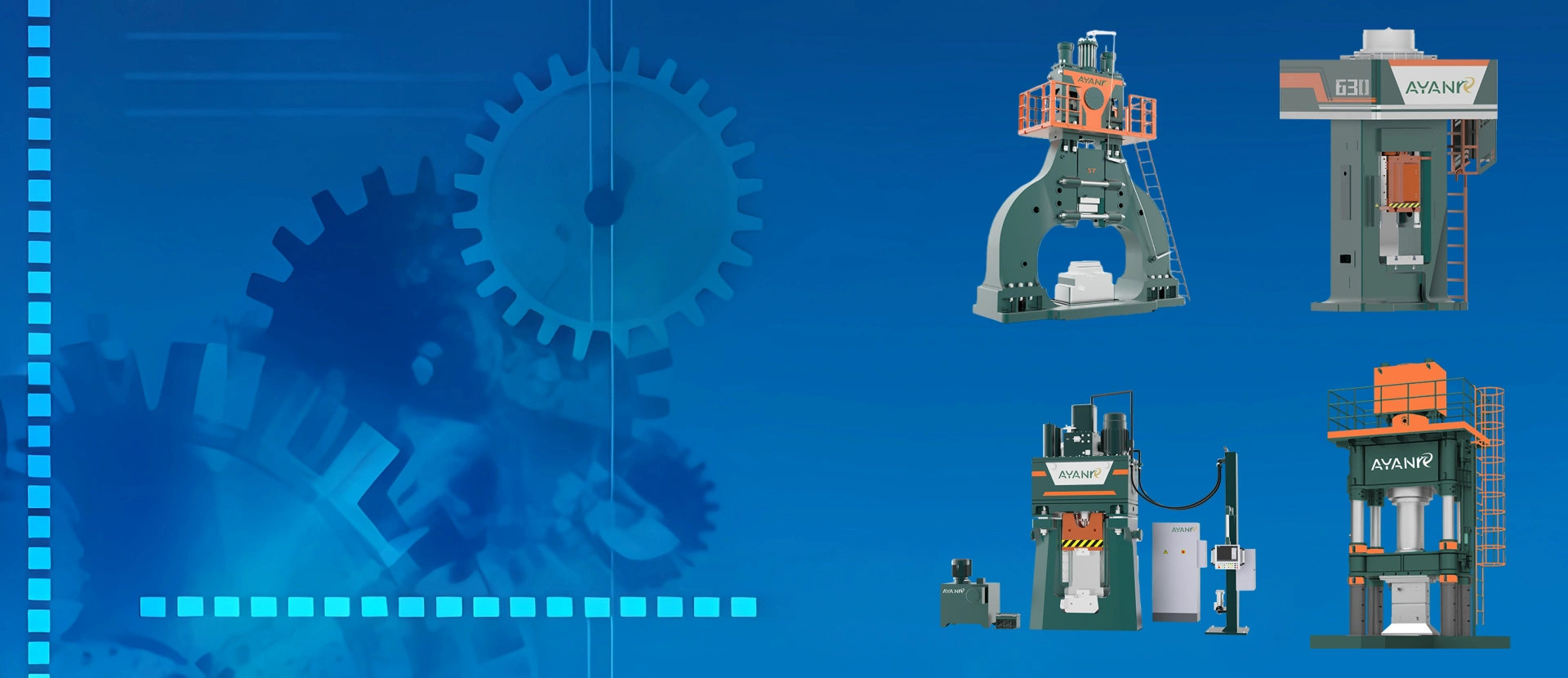
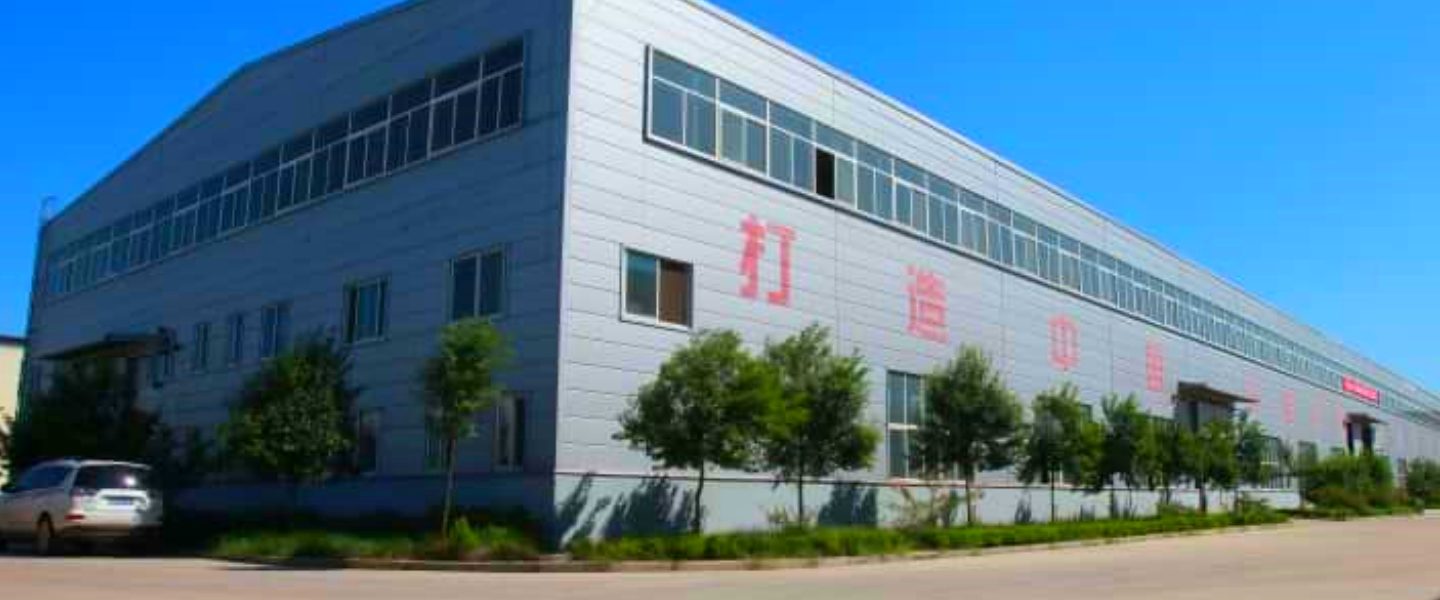
Walk into today's AYANK FORGING and the first thing that registers is how bright it is. The workshops have been rebuilt, the equipment replaced, the housekeeping raised to a standard that a forging plant of this age is not supposed to reach. On that floor a younger team is coming through — not only the technical backbone but the management and production crews as well, and the age profile across all three has been shifting deliberately for years. That is where the new thinking is coming from.

The story starts in 1956 with basic forging equipment — pneumatic hammers, built for a country that was still assembling an industrial base. 1964 was the turning point: recommended by the First Ministry of Machine Building, the company attended the Autumn Canton Fair for the first time, and that was the beginning of everything it exports today.
Quality management began in earnest in 1978, when the plant adopted the PDCA cycle and ran five quality loops over the following five years. The first of them was already paying by 1979, when the provincial high-quality product title came in. The Ministry of Machine Building named the company a Trustworthy Product in 1981; the China National Silver Medal followed in 1983. In 2025 the company brought in auditors from TÜV Rheinland and rebuilt its quality system against the standard an international buyer expects, rather than the one that was enough in 1983.
Four decades of firsts, in the order they happened:
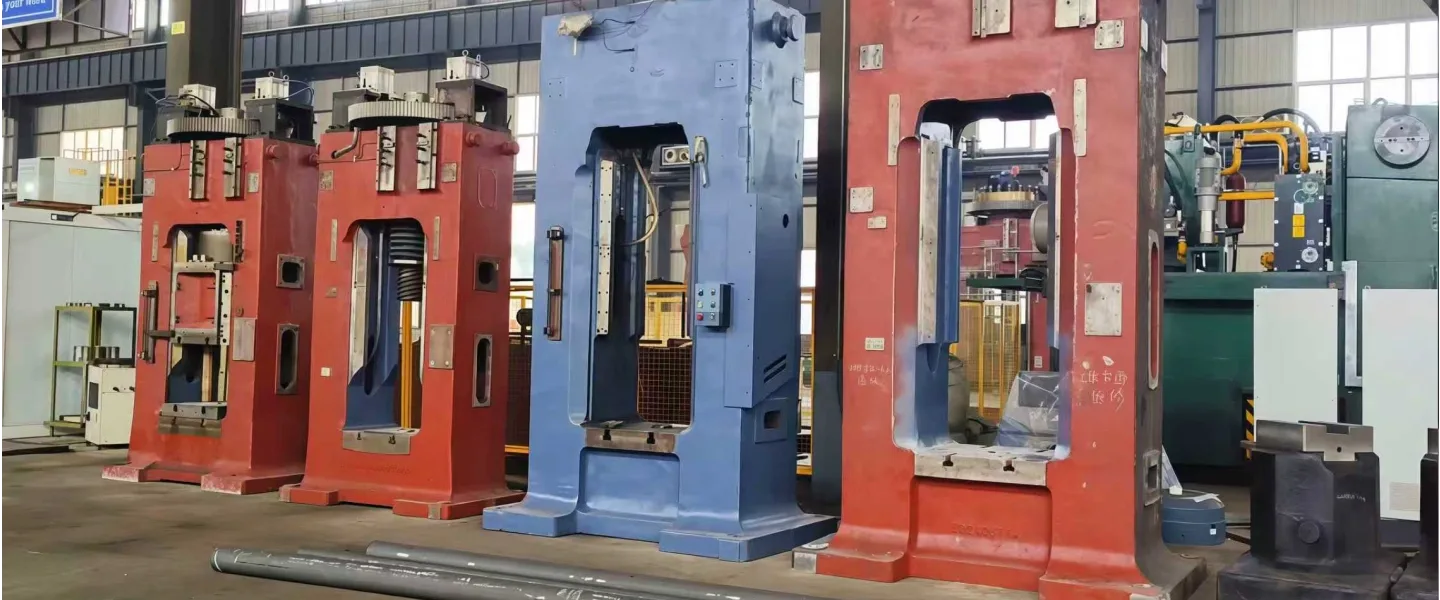
Decades of hot forging work produced an advantage that is hard to copy: the process knowledge behind the machine, not just the machine. Since the first export in 1964 the company has served more than 10,000 customers in 97 countries and regions, and the machines run in manufacturing economies that do not buy on price alone — Germany and Japan among them. What has changed in that time is the comparison itself: where an imported hammer used to be the benchmark and a Chinese one the compromise, buyers now weigh the two machine to machine, and increasingly the specification conversation happens on our side of the table.
The direction of travel is explicit — from equipment builder to technology company. A provincial technology center and a postdoctoral research base sit behind deep collaboration with universities, research institutes and specialists at home and abroad, with the strategic bets placed on intelligent manufacturing and green forging. A newly established intelligent-manufacturing subsidiary exists for one purpose: to put artificial intelligence into a forging process that has been run by feel for seventy years.
Service is being built to the same logic. Equipment health management, remote operation and maintenance, and full lifecycle cover turn a machine sale into an operating relationship — the "manufacturing plus service" model, and the reason the company can move up the value chain instead of competing on tonnage alone.
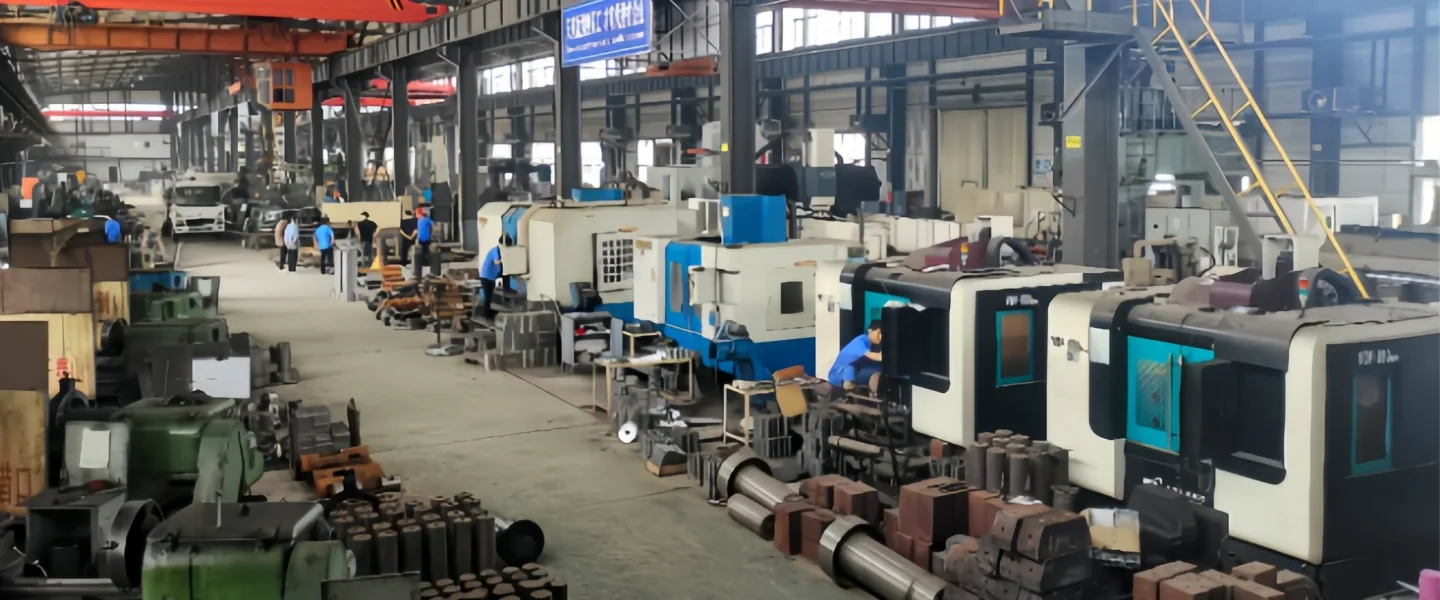
From 1956 to now is close to seventy years, most of it spent on one question: how to hand a craft down without handing down its limitations. A younger team, a steady run of firsts and a development strategy that is written down rather than implied — that is the shape of the next stage, toward a globally leading forging equipment technology group. On a rebuilt factory floor, a new generation is writing the next chapter of what Chinese manufacturing can be. More of the company's history and structure is on the About AYANK page.
1956, building pneumatic hammers. The first export followed in 1964, after the company was recommended by the First Ministry of Machine Building to attend the Autumn Canton Fair.
The 520 kJ electro-hydraulic hammer in 2014 was the first of its size anywhere. Before that, in 2003, the company built China's first C86 25 kJ die forging hammer as a complete machine.
More than 3,000, under the steam hammer retrofit program that began in 1991 — old hammers brought up to CNC specification rather than scrapped.
More than 10,000 customers across 97 countries and regions, including Germany and Japan, alongside the domestic market.
Contact us — send your forging drawing and we will size the machine and quote it.
Receive the news that you are interested in.
