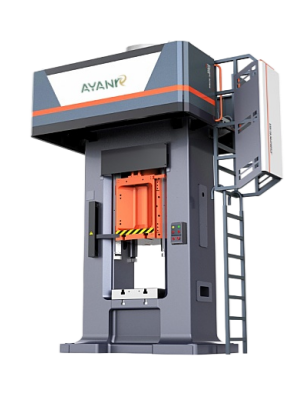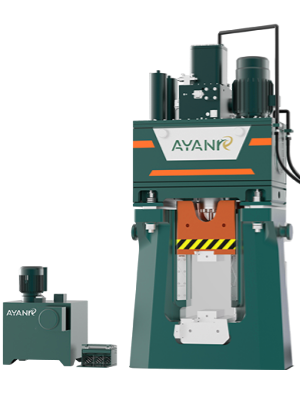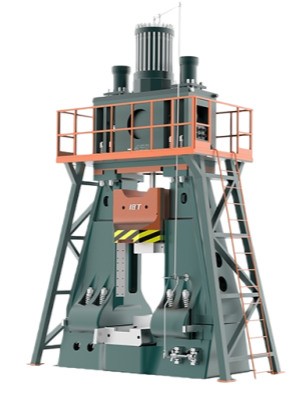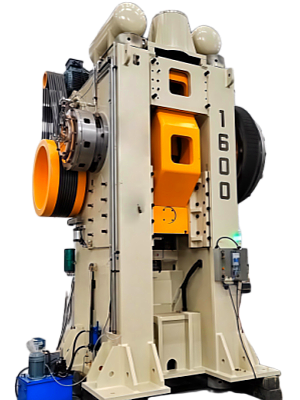
If the forging hammer is chosen appropriately, not only will production efficiency not be improved, but also a series of common forging problems in the forging industry will occur, such as high energy consumption, high cost, large material waste, and fast mold wear. Whether it is a small blacksmith workshop, a medium or small forging factory, or a large-scale production enterprise engaged in precision forging industries such as automotive forgings, heavy industrial shafts, aerospace, etc., choosing a forging hammer that suits you is the key to improving production, reducing costs, and increasing profits.
AYANK FORGING, combining over 70 years of production experience in manufacturing forging hammers, has compiled a set of accurate, executable, and quickly adaptable solutions for forging hammer selection. Considering multiple perspectives such as equipment classification, forging conditions, and workshop layout, we help procurement customers avoid common forging difficulties, accurately match models, and adapt to future development momentum.
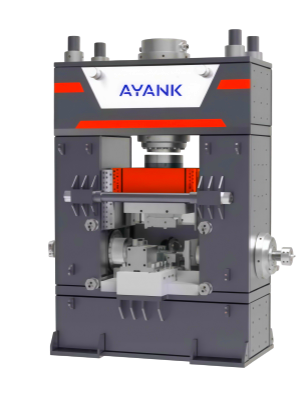
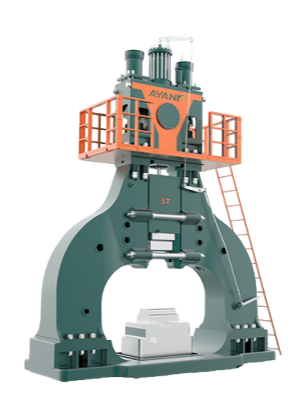
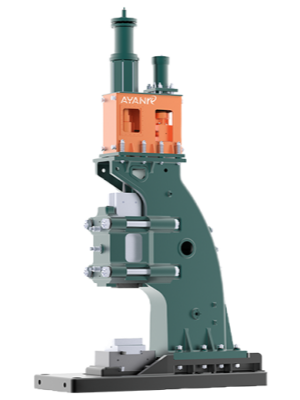
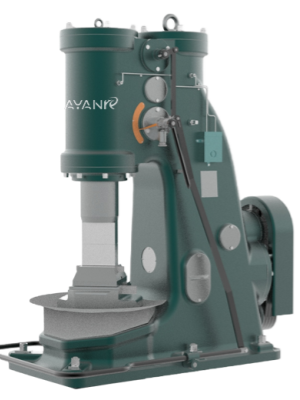
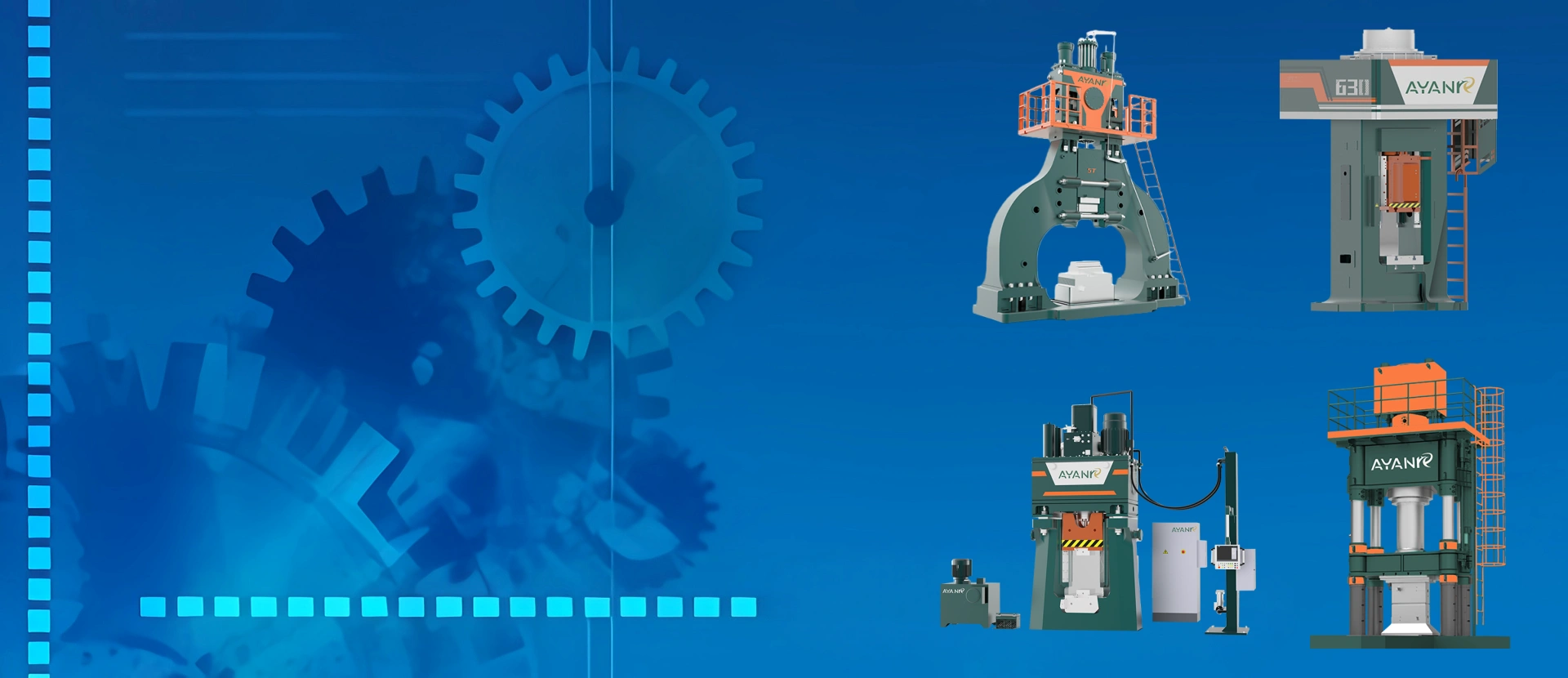
Before selecting a suitable forging hammer, it is necessary to understand the working characteristics and application scenarios of different forging hammers. Currently, the commonly used forging hammers on the market can be divided into two major categories: die forging hammers and open-die forging hammers. Among them, die forging hammers are further divided into six subcategories: CNC full hydraulic die forging hammer, full hydraulic die forging hammer, electric screw press, direct-drive electric screw press, hot die forging press, and multi-directional forging hydraulic press. Open-die forging hammers are divided into five subcategories: pneumatic hammer, single-arm full hydraulic open-die forging hammer, double-arm full hydraulic open-die forging hammer, full hydraulic free forging hammer, and blacksmith hydraulic press.
The following further distinguishes them based on the usage scenarios and applications of different forging hammers:
What are the advantages of a hydraulic forging press?
Precise and stable pressure control: The hydraulic system can provide continuous, stable, and precisely adjustable huge pressure. Compared with impact-type forging hammers, this "static pressing" forming method can act more evenly on the material, reduce internal stress, and improve the quality of forgings.
|
J58KA Series Electric Screw Press
|
J58ZKA Series Servo Direct-Drive Electric Screw Press
|
|
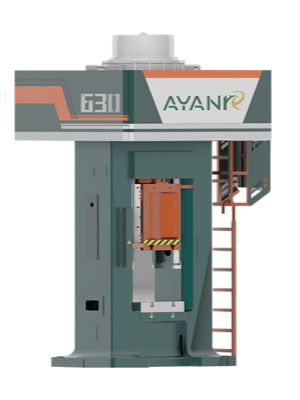
Driven by a variable-frequency motor, the flywheel-screw outputs controllable forging blows. The striking energy can be programmed with high repeatability; the machine frame has strong rigidity, the slider guides accurately, and it has good resistance to eccentric loads. There is no fixed bottom dead center, so it does not get stuck. Compared with friction presses, it is more energy-efficient, quieter, and easier to maintain. Suitable for closed-die forging/precision forging (valves, gears/claw poles, connecting rods, flanges, hardware tools, tableware, etc.), especially good at non-ferrous precision forging of aluminum/copper and building automated lines with manipulators.
|
Using an AC permanent magnet synchronous servo motor to directly drive the flywheel/screw ("zero transmission"), the motor torque is directly transmitted to the screw, eliminating intermediate transmission components such as gears, belts, and clutches. The transmission path is short, energy loss is minimal, and the overall transmission efficiency can reach 85%-90% or more. At the same time, it possesses: replacing the traditional friction disc drive with a digital control system, shortening the transmission chain, and achieving precise closed-loop control of striking energy and stroke position. It features simple structure, energy saving and high efficiency, low noise, and low vibration. Applicable to hot precision forging, precision pressing, coining, flattening/finishing of steel/aluminum/copper and difficult-to-deform alloys; especially good at closed-die forging/near-net shaping of complex parts, and can be interfaced with manipulators/robots for automated lines. |
|
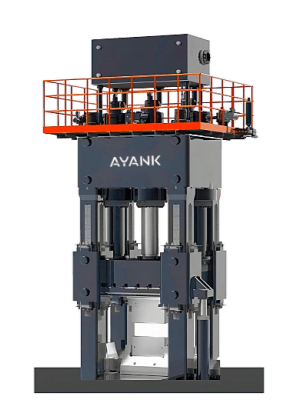
C92KA CNC Full Hydraulic Die Forging Hammer
|
C86YA Full Hydraulic Die Forging Hammer
|
Hot Die Forging Press
|
Multi-directional Forging Hydraulic Press
|
|
Especially suitable for multi-variety, large-batch precision forging production lines, as well as thin-walled parts, irregular-shaped parts that are difficult to fill the die cavity, thin-rib parts, and forgings with strict tolerance requirements. At the same time, it is suitable for precision forging of high-density irregular-shaped parts in the aerospace field.
|
Especially suitable for multi-variety, medium-small batch and large batch precision forging production lines, as well as the production of thin-walled parts, irregular-shaped parts that are difficult to fill the die cavity, and high-density precision forgings. At the same time, it is suitable for low-temperature forging scenarios and production requirements with high demands on forging surface finish and chemical properties. It has strong versatility and can flexibly handle the production of various types of die forgings.
|
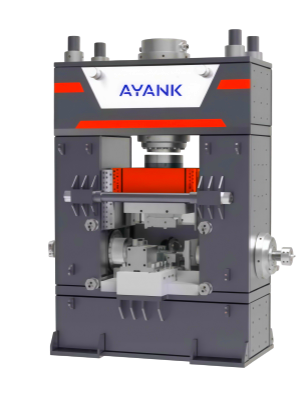
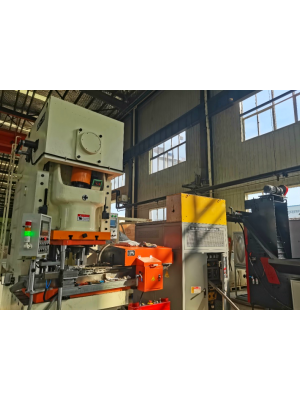
The hot die forging press is used to place heated metal into the die and make it plastically form through high-pressure impact or static pressure, realizing closed-die forging and precision forgings. It is suitable for mass production of automotive parts, hardware parts, etc.
|
The multi-directional forging hydraulic press uses synchronous/sequential pressing of hydraulic cylinders in 9 directions (vertical + horizontal) to perform multi-directional closed-die forging and lateral extrusion (including lateral piercing) on heated metal, forming tees, valve bodies, and complex parts with side bosses/inner cavities in one go. It achieves little or no flash, high material utilization rate, and dense and precise forgings.
|
|
C66Y Full Hydraulic Open-Die Forging Hammer
|
C61YA Full Hydraulic Open-Die Forging Hammer
|
C41YA Pneumatic Hammer
|
Y13A Quick Open-Die Forging Hydraulic Press
|
|
Driven by a high-pressure hydraulic system, the hammer head performs high-frequency strikes through differential striking (switching oil pressure between upper and lower chambers) plus fast return; under open-die/free forging conditions, it executes drawing out, upsetting, punching, shoulder pressing, shaping, and other processes, forging medium-to-large parts such as shafts, shells, and rings. The double-arm arch frame provides a large operating space and stable guidance. The striking energy can be adjusted through operating valves/servo control, suitable for single-piece small-batch heavy-load forging production. |
The C61YA full hydraulic open-die forging hammer has a C-frame structure. It is driven by hydraulics (often equipped with a hydraulic-pneumatic accumulator) to make the hammer head perform controllable impacts, completing drawing out, upsetting, punching, shoulder pressing, bending, shaping, etc., under open-die/free forging conditions. Suitable for medium-to-large parts such as shafts, discs, rings, and shells; the striking energy is adjustable, the frequency is high, it is relatively energy-saving, and it has strong adaptability to billets.
|
The C41YA pneumatic hammer (air hammer) uses compressed air to drive the hammer head to strike reciprocally, performing drawing out, upsetting, punching, shoulder pressing, bending, and shaping in open-die/free forging; suitable for shafts, discs, rings, and small-batch forgings. Its characteristics are simple structure, flexible start and stop, striking force adjusted by foot pedal/handle, with relatively high energy consumption and vibration.
|
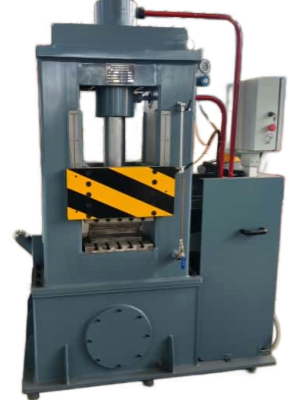
It adopts a three-beam, four-column structure with high rigidity and strong resistance to eccentric loads; equipped with a movable worktable for easy anvil change and loading/unloading. Suitable for quick upsetting, drawing out, punching, expanding holes, bending, offsetting, etc., suitable for medium-to-large shafts/shells/rings, single-piece small batches, or supporting ring rolling lines.
|
|
CNC Forging Manipulator
|
Rail-Bound Forging Manipulator
|
|
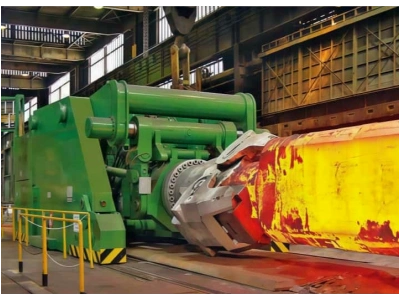
This is a CNC forging manipulator. It is specially used for automatic clamping, transporting, rotating, and precise positioning of high-temperature forgings, and can seamlessly integrate with heavy-duty equipment such as hydraulic presses and free forging hammers, realizing continuous and automated production of forging lines. |
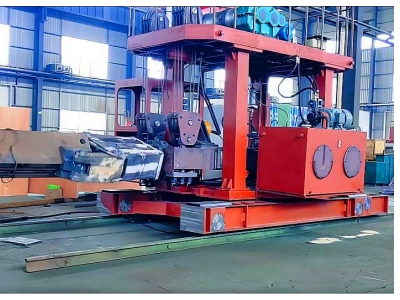
The rail-bound forging manipulator (gantry type) travels along rails and is equipped with powerful clamp arms to clamp, turn, lift, and precisely position high-temperature billets and forgings. Suitable for free forging and heavy-duty forging, it has strong load-bearing capacity and large travel range, serving as a heavy-duty auxiliary machine for automated production of large-tonnage presses. |
|
Tire-Type Charging Machine
|
Rail-Bound Charging Machine
|
Self-Propelled Trackless Handling Machine
|
|
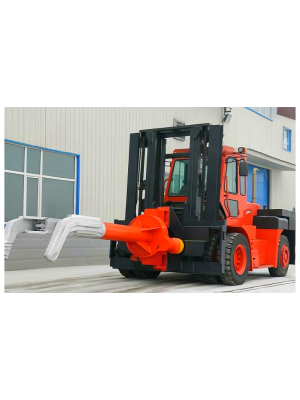
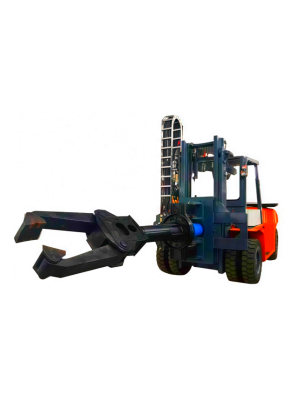
The tire-type forging charging machine is based on a forklift chassis and has flexible mobility characteristics. Equipped with specialized fork/clamp attachments, it is responsible for loading and unloading billets in furnaces and workshop transportation, adapting to multi-station complex road conditions, significantly improving forging logistics efficiency and operational safety. |
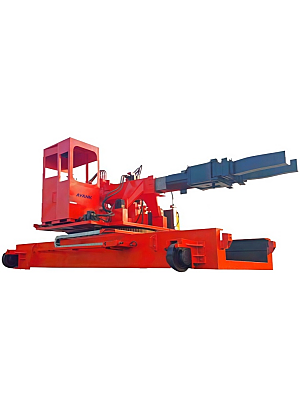
This equipment runs along rails and is mainly used for transporting steel ingots, square billets, discs, and ring forgings within the forging plant. Widely applicable in free forging, ring rolling production lines, furnace charging, and heavy material handling operations. |
This equipment can move and position workpieces without the need for fixed rails. It supports flexible material handling in forging workshops, production lines, and heavy industrial operations. |
|
CNC Radial-Axial Ring Rolling Machine
|
Vertical Ring Rolling Machine
|
|
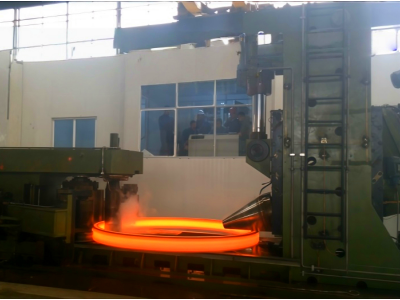
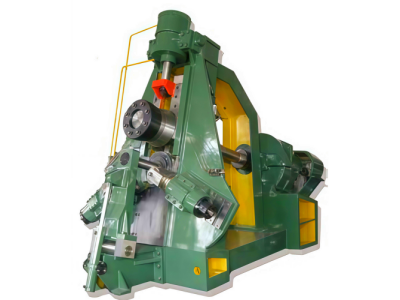
While radially rolling and expanding the ring, the radial-axial ring rolling machine simultaneously controls the height/end face using axial rolls (cone rolls) to suppress bulging and tilting, achieving closed-loop dimensional control of diameter, wall thickness, height, roundness/flatness. It efficiently produces seamless rings such as bearing races, flanges, gear blanks, wind power/pressure vessel flanges, etc. |
The vertical ring rolling machine is used to produce seamless rings, bearing outer rings, gear blanks, pipe flanges, and industrial annular components. It is widely applicable in industries such as machinery manufacturing, automotive, railway, shipbuilding, petroleum, and energy.
|
|
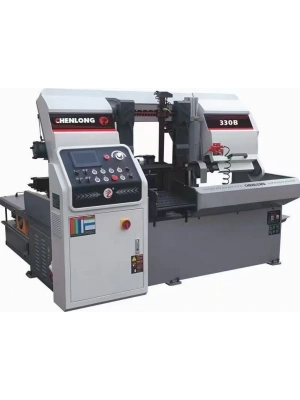
Billet Cutting Machine
|
Fully Automatic High-Speed Metal Circular Sawing Machine
|
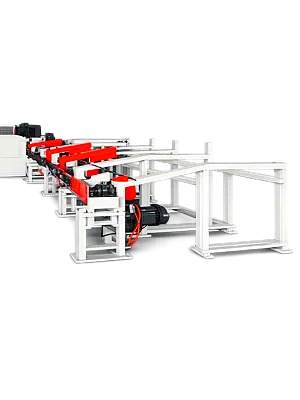
Bar Shear
|
|
The billet cutting machine is used to cut rebar and billets before forging. It is suitable for closed-die forging production lines, billet preparation, material sizing, and improving production consistency. |
The high-speed metal circular sawing machine is used for precise cutting of metal bars and billets before forging. It is suitable for hot forging preparation, bar processing, and industrial production lines, helping to achieve efficient material pretreatment. View Details |
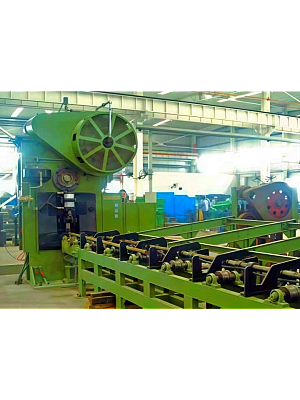
The bar shearing machine production line is used to cut rebar/bars into billets for forging. It is suitable for large-scale billet preparation, closed-die forging production, and automated material processing. View Details |
|
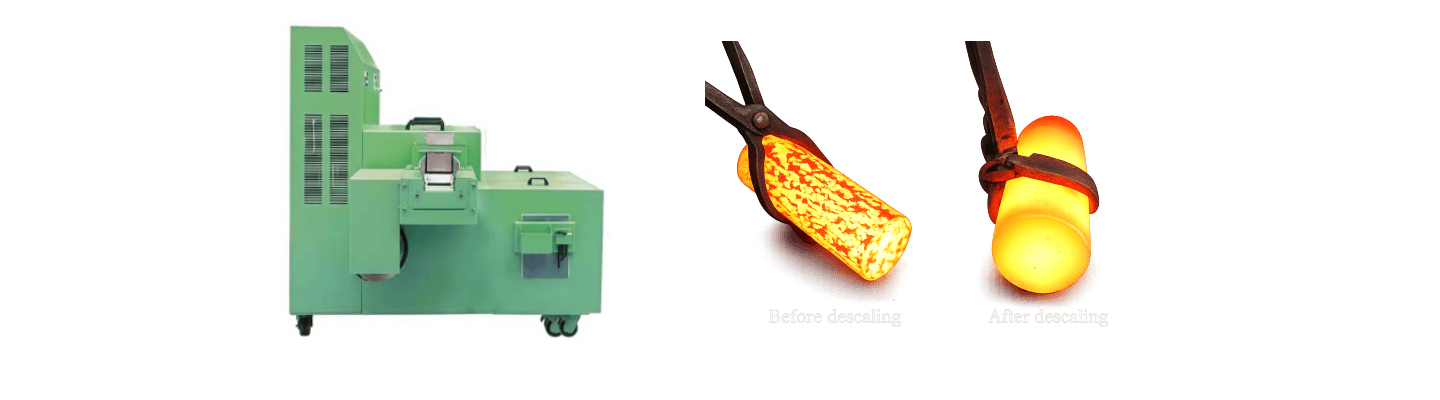
Descaling Machine
|
|
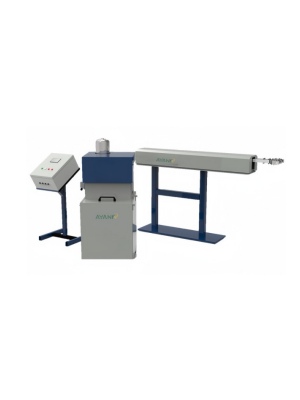
The descaling machine is used to remove oxide scale from the surface of heated billets before forging. It helps to improve the surface quality of forgings, reduce mold wear, and prevent defects caused by oxide scale during hot forging production. |
|
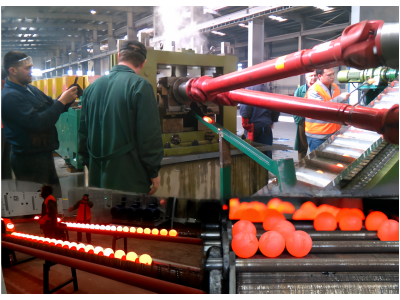
Steel Ball Skew Rolling Machine
|
Pneumatic Hammer Forging Steel Ball Production Line
|
|
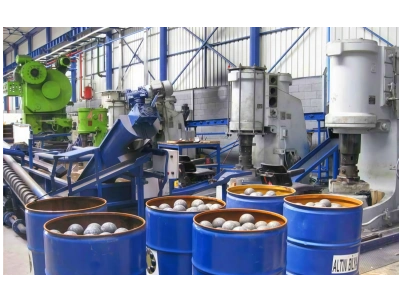
The steel ball skew rolling machine is used for the automated production of steel balls. It is suitable for mines, cement plants, and grinding media manufacturers who have demand for efficient, stable, and high-yield steel balls.
|
Utilizing the high-energy impact of the pneumatic hammer, the billet grains are refined and the structure becomes extremely dense. The forged steel balls have deep hardness, are highly wear-resistant, and are not easily broken. The production line equipment has a simple structure, is durable, and has low cost, making it suitable for continuous heavy-load operations in mines/cement plants; however, the striking noise is loud, and the dimensional accuracy and automation ceiling are slightly inferior to hydraulic closed-die forging. |
|
Roll Forging Machine
|
Cross Wedge Rolling Machine
|
|
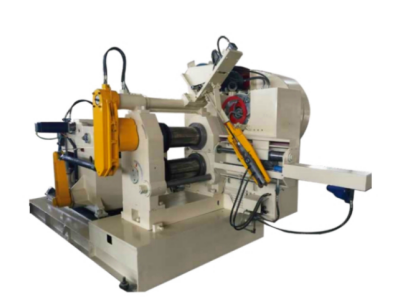
The roll forging machine is used for pre-forging and forming operations before final forging. It is suitable for closed-die forging, improving production efficiency, optimizing material distribution, and configuring high-output forging production lines. |
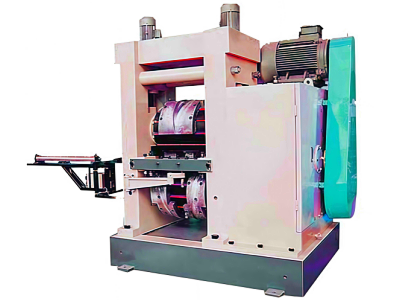
The cross wedge rolling machine is used for rolling and forming shaft-type metal parts. It is suitable for efficient production of stepped shafts, automotive parts, preforms, and industrial metal forming applications. |
|
Nut Forging Automated Production Line
|
Automatic Graphite Spraying Machine
|
Multi-Functional Prestressed Inserted Die Holder
|
Descaling Device
|
|
The automatic nut production line is used to complete the feeding, heating, conveying, forging, and pressing processes of nut blanks. It is suitable for efficient nut manufacturing and large-scale forging production lines.
|
The automatic graphite spraying machine is used to apply graphite lubricant during the forging process. It helps improve mold lubrication, reduce manual spraying, ensure operator safety, and improve production consistency in hot forging production lines. |
The multi-functional prestressed inserted die holder is used to support mold installation and enhance production flexibility. It is suitable for application scenarios such as screw presses, friction presses, and high-energy forging presses. View Details |
The descaling device is used in forging production lines to remove oxide scale from the surface of metal billets before forming. It helps achieve cleaner forging processing, improve workpiece surface quality, and extend mold service life. |
Receive the news that you are interested in.