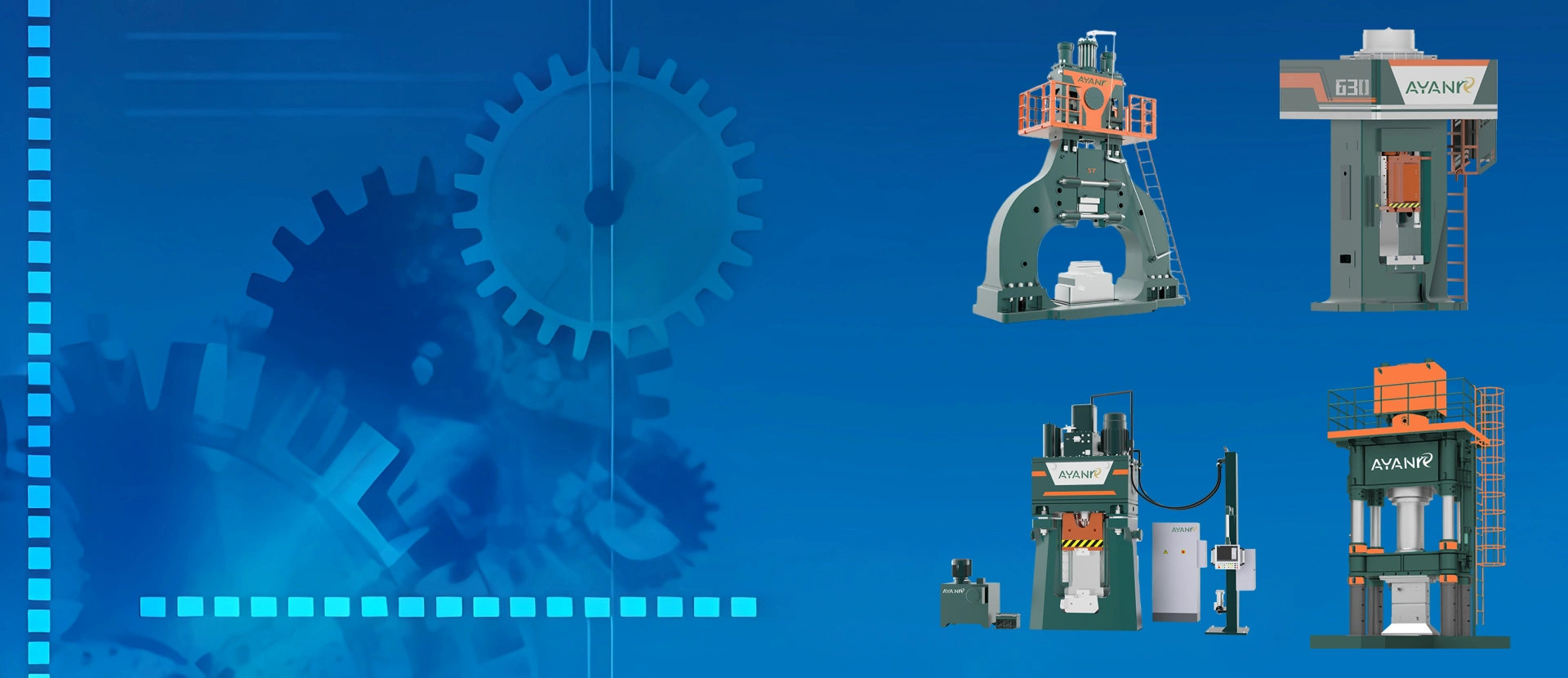
The AYANK FORGING fully hydraulic die forging hammer is forging equipment in which both the striking and the return motion of the hammer head are hydraulically driven. The system keeps the lower chamber of the piston rod permanently supplied with high-pressure oil, and both strikes and returns are produced by controlling the pressure in the piston's upper chamber.
What that arrangement buys is a set of behaviours: sufficient energy, high frequency, no die holding, a low failure rate, and the ability to suspend the hammer at any position. It suits the production of a wide range of die forgings, and the C86YA series covers them from 25 kJ upward.
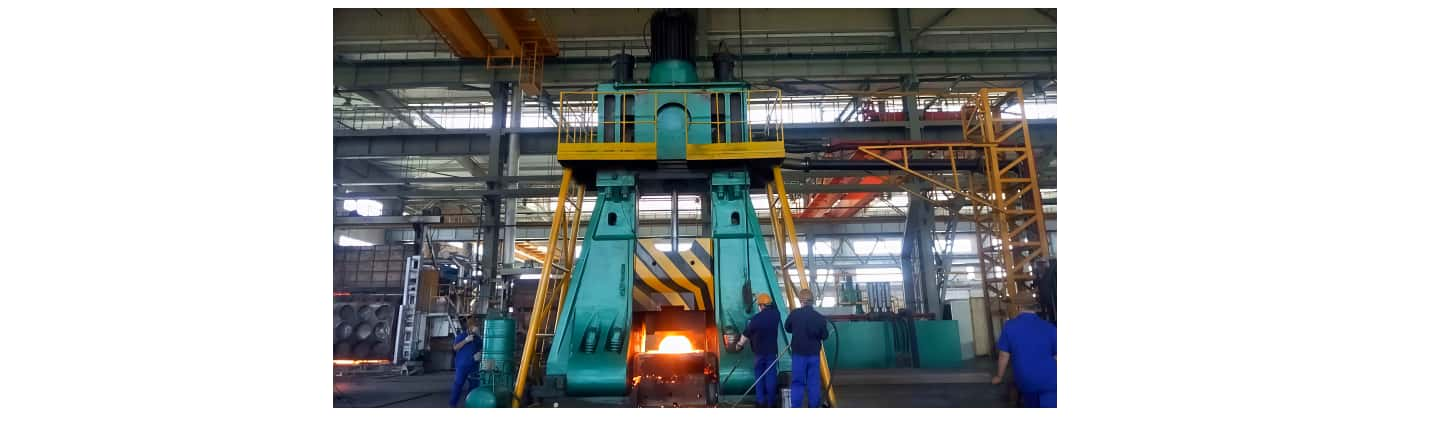
An electric motor drives a high-pressure oil pump, and the pump supplies the oil that moves the hammer head. Because the machine is a self-contained system, it runs independently of any boiler or air compressor - there is no air supply to wait for and no pressure to check. Where there is electrical power, the hammer can start.
In a fully hydraulic electro-hydraulic hammer, both strokes - the upward and the downward travel of the piston rod - are driven by hydraulic oil. The lower chamber of the piston rod is permanently under high pressure, and the strike and the return come from switching the pressure in the upper chamber between a high and a low state.
Apply high pressure to the upper chamber while the lower chamber stays under pressure, and the oil acts at the same time on the circular area at the top of the rod and the annular area at the bottom. The difference between those two areas leaves a net downward force, and that force plus the weight of the falling parts produces the strike; oil from the lower chamber returns to the upper chamber through a connected passage as it happens.
Release the upper chamber to the low state, and the constant pressure on the annular area of the lower chamber generates a return force that overcomes the weight of the falling parts and the friction in the guide, which lifts the head back.
The main control valve is a hydraulic servo valve. The operator works five positions of the valve spool through a handle, which gives the full set of head actions: strike, return, slow upward movement, slow downward movement, neutral, and emergency stop. An operator who has run a traditional hammer needs no new habit to run this one.
A traditional steam forging hammer converts less than 2% of its primary energy into work at the billet, and in the worst cases as little as 0.2%. A fully hydraulic electro-hydraulic power unit reaches 20%.
Retrofit the machine with a fully hydraulic power unit and the inefficient pneumatic power system is gone, along with the accuracy losses that came with it. The energy saving rate then exceeds 90%, the forging capacity of the equipment goes up, energy consumption drops and production cost falls with it.
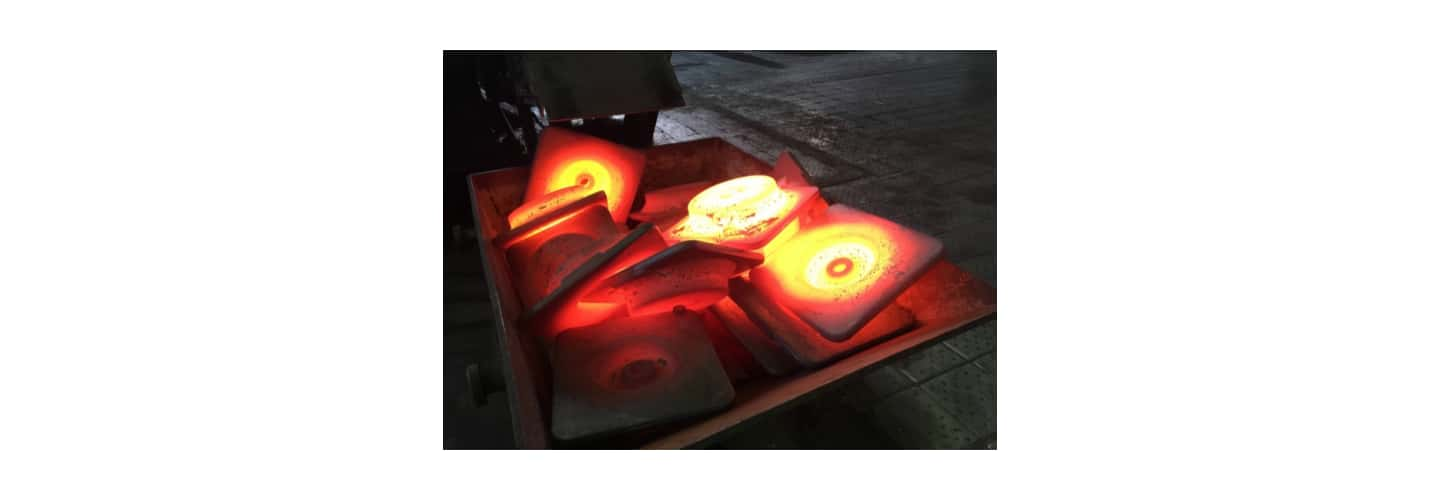
The power unit of the C86YA series works and is built exactly as the power unit of the C66YA series fully hydraulic open-die forging hammer, so please refer to the detailed description of the C66YA series fully hydraulic power unit.
The C86YA fully hydraulic die forging electro-hydraulic hammer is a precision die forging machine with strong adaptability and high cost-effectiveness. High frequency and efficiency, high precision, no die sticking and a low failure rate are the four things it is bought for. It suits multi-variety and high-volume production, and medium to small batches, of precision die forgings across a wide range of industries - and it is particularly good on thin-walled forgings, complex cavities and high-density parts. It also meets forging requirements in low-temperature environments.
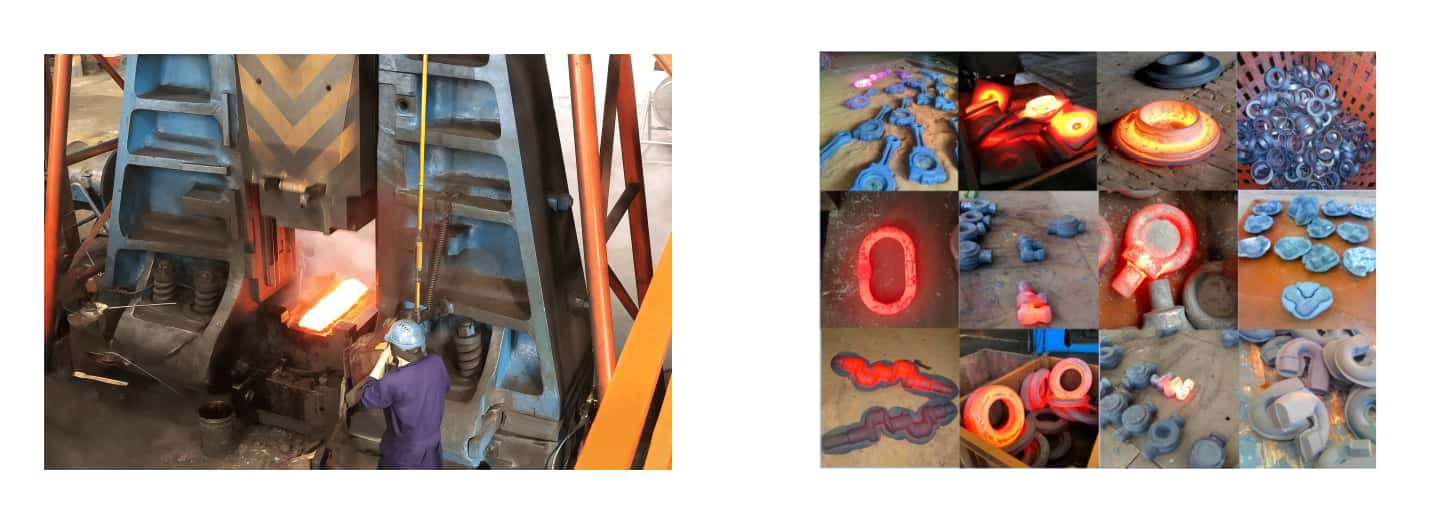
It fits precision forging lines running multi-variety work in medium, small and large batches. It is the right machine for thin-walled and irregularly shaped parts that are hard to fill in the die cavity, and for high-density precision forgings. It also covers low-temperature forging, and production that demands a high surface finish and specific chemical properties in the forging. Because it is versatile, it can take on a mix of die forgings without a dedicated machine for each.
That both strokes are driven by oil. The lower chamber of the piston rod is permanently under high pressure, and the strike and return come from switching the upper chamber between high and low pressure. There is no air, no boiler and no pneumatic power system to lose efficiency.
A traditional steam hammer converts less than 2% of primary energy into work at the billet, and in the worst case 0.2%. A fully hydraulic power unit reaches 20%, so the energy saving rate exceeds 90%.
60 strikes per minute or more. The striking valve is what allows it: it responds quickly and flows heavily, so high frequency and high energy arrive together rather than one at the cost of the other.
Because the lower chamber is normally pressurised, the head returns without delay after the blow. The die is not held under load, so die (anvil block) life is longer, and the operator gets a longer window to turn the workpiece between strikes.
The self-developed servo valve meets the requirements of 1 to 20 ton die forging hammers and 1 to 10 ton open-die forging hammers, so one valve design serves the whole range.
No. The motor drives a high-pressure oil pump and the machine is a self-contained system, so it is not constrained by boiler condition or by whether air pressure is available. Where there is power, it can work.
Send your forging drawing or part details — we will recommend the machine that fits and quote it.
Receive the news that you are interested in.
