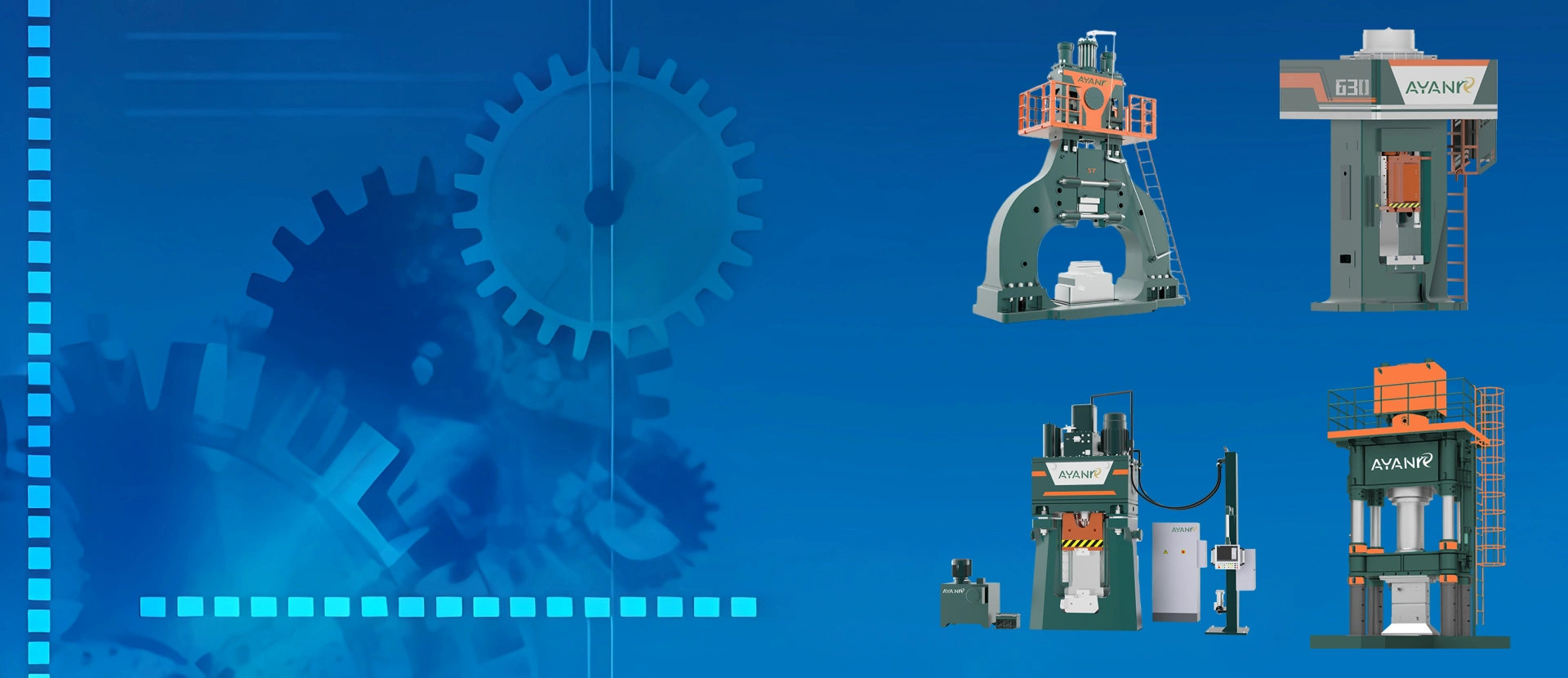
The pneumatic hammer is a familiar piece of equipment in open-die forging. When it runs, compressed air from the compression cylinder enters the working cylinder and drives the hammer ram through reciprocating up-and-down movement, which is what lets the hammer head forge the workpiece. By moving and rotating the workpiece by hand, all sides deform freely and the part is brought to the shape required. A pneumatic hammer cuts, punches and forges, which is why it is used so widely across forging production.
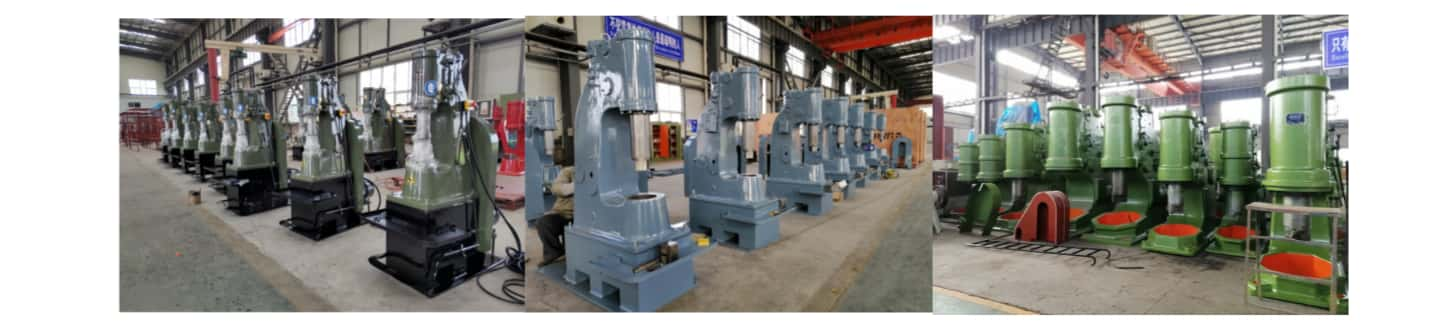
The C41A series air hammer is built from the frame, the transmission mechanism, the compression cylinder, the working cylinder, the compression piston, the falling parts, the air distribution mechanism and the anvil block. It handles drawing out, upsetting, punching, shearing, forge welding, twisting and bending, and with bolster dies it will do the full range of open-die forging operations.
The motor drives the compression piston in the compression cylinder up and down through a reduction mechanism, crankshaft and connecting rod, which generates the compressed air. When the upper and lower air passages of the compression cylinder are open to atmosphere, that air does not enter the working cylinder: the motor idles and the hammer head stays still.
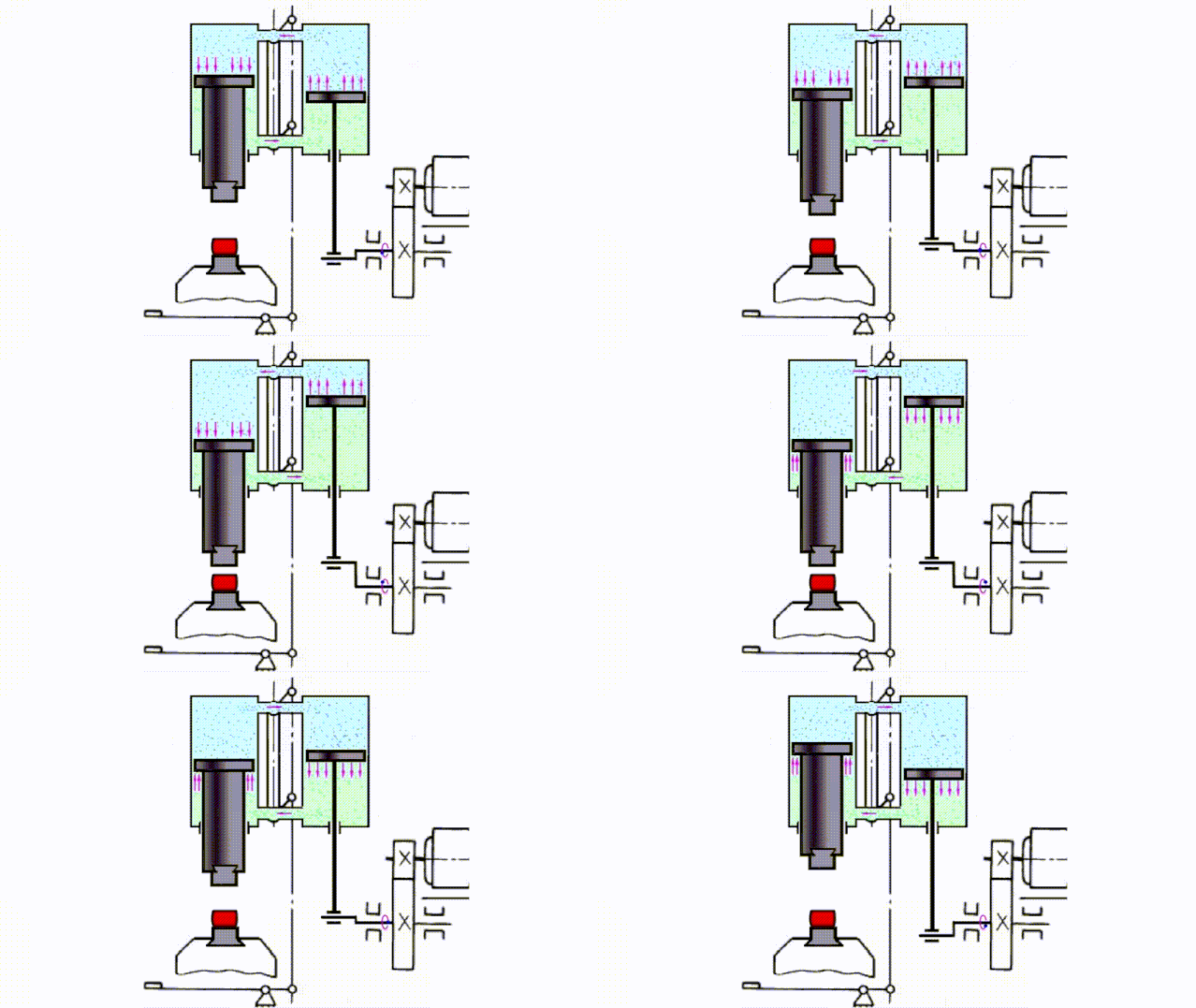
To strike, the operator works the upper and lower rotary valves with the handle or foot lever. Compressed air is directed into the upper or lower part of the working cylinder, pushing the working piston down or up, and that drives the hammer head and upper anvil to rise or fall through the striking motion. The rotary valves give four different connections between the cylinders, and those four connections are the four actions: lifting the hammer, continuous striking, pressing down, and idling.
To keep an air hammer working efficiently and lasting longer, follow these seven points:
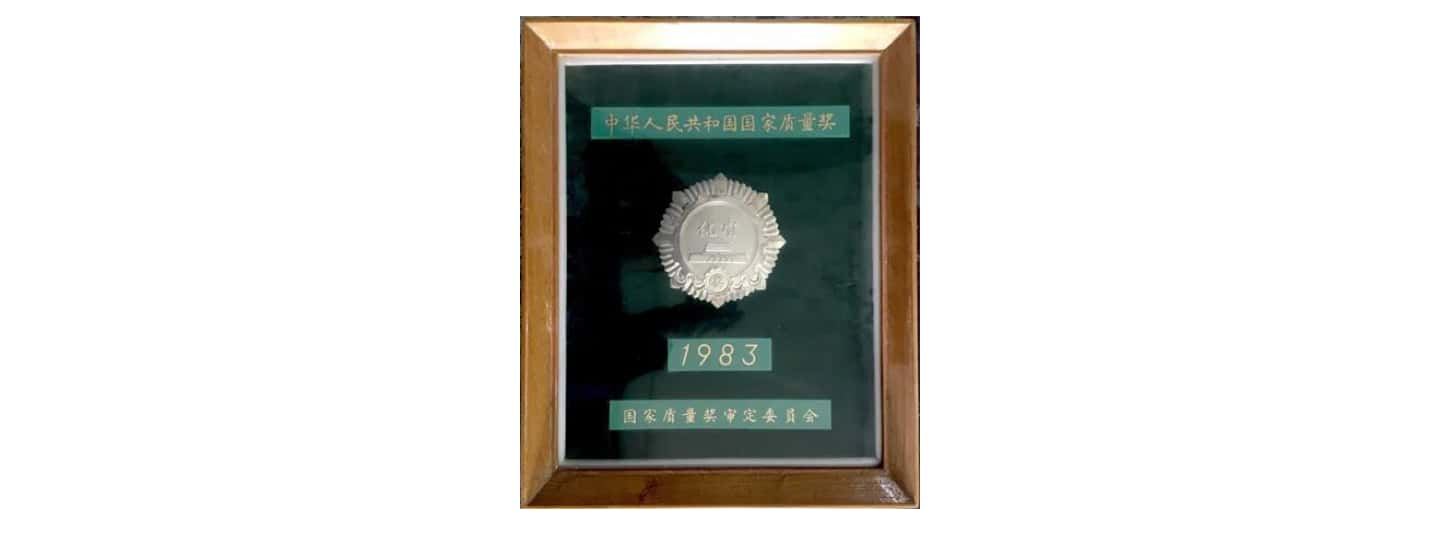
AYANK FORGING is a Chinese manufacturer with more than 70 years of continuous air hammer production, and an enterprise whose air forging hammers have been awarded the National Silver Medal for Quality in China.
As a specialist air hammer manufacturer, AYANK FORGING builds 13 models: 15 kg, 25 kg, 40 kg, 55 kg, 75 kg, 110 kg, 150 kg, 250 kg, 400 kg, 560 kg, 750 kg, 1,000 kg and 2,000 kg hammers. By specification and application these fall into large industrial air hammers, built for industrial forging, and small air hammers, built mainly for artistic ironwork.
AYANK FORGING's pneumatic forging machines are held in high regard worldwide: the large industrial hammers and the small artistic iron hammers together are exported to 98 countries and regions, Germany, the United States, Japan and the United Kingdom among them. Where the drawing calls for more blow energy than an air hammer can deliver, the C61YA fully hydraulic open-die forging hammer covers 30 to 280 kJ, and the C66YA series runs up to 910 kJ.
Open-die forging: drawing out, upsetting, punching, shearing, forge welding, twisting and bending. With bolster dies the same hammer covers the rest of the open-die operations, which is why it is the general-purpose machine in a small or mid-size forge.
Through the upper and lower rotary valves, worked by hand lever or foot lever. The valves give four connections between the compression and working cylinders, and those four connections produce lifting, continuous striking, pressing down and idling.
Thirteen models from 15 kg to 2,000 kg falling weight. The range splits into large industrial air hammers for production forging and small air hammers used mainly for artistic ironwork.
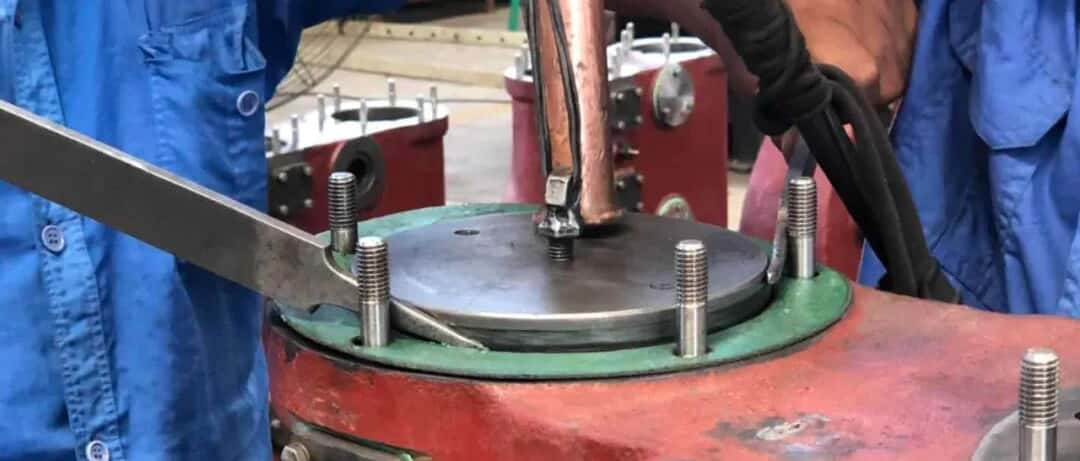
Every 3 to 6 months depending on usage. Between changes, check the level and the drip from the cup at the top of the oil pump — an abnormal drip is the first sign of a leak in the lubrication circuit.
Because the first strokes after a cold start are the ones that wear the cylinders hardest. Circulating oil by pulling the pump handle several times before operation puts a film on the working surfaces before any load arrives, which is what cuts initial wear.
Send your forging drawing or part details — we will recommend the machine that fits and quote it.
Receive the news that you are interested in.
