CNC Die Forging Hammer: Applications and Value Analysis in Modern Forging Industry

CNC Die Forging Hammer: Applications and Value Analysis in Modern Forging Industry

2025-11-05
Fully Hydraulic Die Forging Hammer: Applications and Value Analysis in Modern Forging Industry
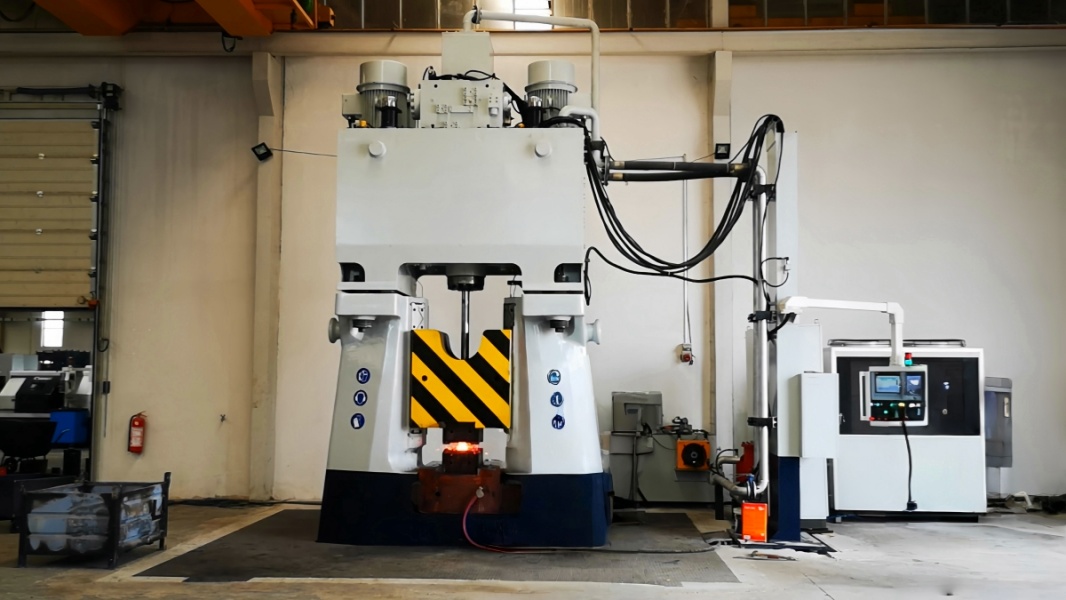
As a core equipment in modern forging, the CNC die forging hammer plays a vital role in manufacturing key components across various industries due to its high precision, programmability, and high efficiency. The following outlines its typical application scenarios and value analysis.

1. Main Application Fields
  • Automotive Industry
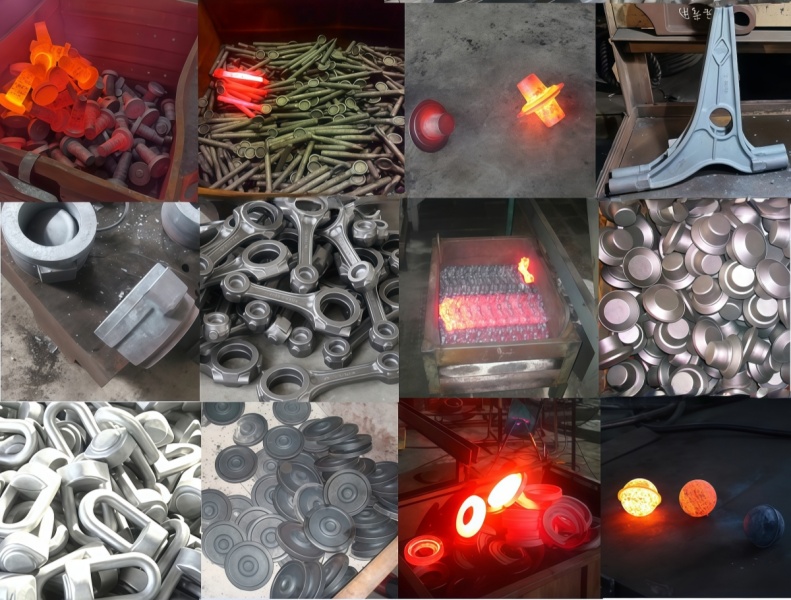
    • Components:Crankshafts, connecting rods, steering knuckles, gears, universal joints, and other precision forgings.
    • Technical Advantages:The CNC system allows precise control of strike energy and frequency, ensuring consistency in mass production and meeting the high-strength and lightweight requirements of automotive parts.
  • Aerospace and Defense
    • Components:Turbine discs, engine blades, landing gear, high-pressure fittings, and other high-performance forgings.
    • Technical Advantages:Enables one-step forming of complex, irregularly shaped parts through multi-cavity forging processes, ensuring complete material grain flow and meeting demands for fatigue resistance and high-temperature tolerance in extreme conditions.
  • Engineering Machinery
    • Components:Excavator track links, hydraulic valve blocks, high-strength bolts, and other heavy-duty forgings.
    • Technical Advantages:The short-stroke rapid strike function improves efficiency, while the U-shaped body design ensures stability under high loads, making it suitable for impact forming of large forgings.
  • Hardware Tools and High-End Equipment
    • Components:Wrenches, hammer heads, mold bases, structural parts for precision instruments.
    • Technical Advantages:Supports flexible production for small batches and multiple varieties. Parameterized programming allows quick product specification changes, reducing mold adjustment time.


2. Industry Value of  Fully Hydraulic Die Forging Hammer
  • Precision Innovation:Unlike traditional hammers reliant on operator skill, CNC hammers control errors within ±1mm through digital programming, improving product accuracy by over 50%.
  • Efficiency Improvement:With a continuous strike frequency of up to 100 strikes/minute, efficiency increases by approximately 30% compared to air hammers, and supports automated production lines.
  • Cost Optimization:Reduces dependence on highly skilled workers, increases material utilization to over 85%, and lowers energy consumption by about 40% compared to steam hammers.
  • Technological Upgrade:Provides the foundation for advanced processes like precision forging and near-net shaping, driving the industry towards intelligent and green transformation.


3. Application Scenario Comparison (Traditional Hammer vs. Fully Hydraulic Die Forging Hammer)
Aspect
Traditional Hammer
Fully Hydraulic Die Forging Hammer
Control Method
Manual, experience-dependent
CNC programming, digitized parameters
Consistency
Depends on operator skill
Batch variation ≤ 3%
Complex Part Forming
Multi-step assembly required
One-step forming with multi-cavity dies
Energy Consumption
High (Energy efficiency < 40%)
Low (Hydraulic system recovers energy)

4. Development Trends
With the advancement of Industry 4.0, CNC die forging hammers are being integrated with robotic loading/unloading and intelligent sensor systems to form "unmanned forging cells," further expanding their application to meet the demand for precision forgings in emerging fields like new energy vehicles and nuclear power.

Subscribe

Receive the news that you are interested in.

    Home Tel Mail Inquiry