A riveting machine (also known as a rivet machine, spin riveting machine, riveting press, or radial riveting machine) is a new type of riveting equipment developed based on the cold rolling principle. It is used to fasten items together using rivets. The machine features a compact structure, stable performance, and safe, user-friendly operation. Riveting is primarily achieved through rotation and pressure, making it suitable for applications requiring rivet fastening (such as hollow rivets, tubular rivets, solid rivets, etc.).
II. Structure and Types of Riveting Machines:
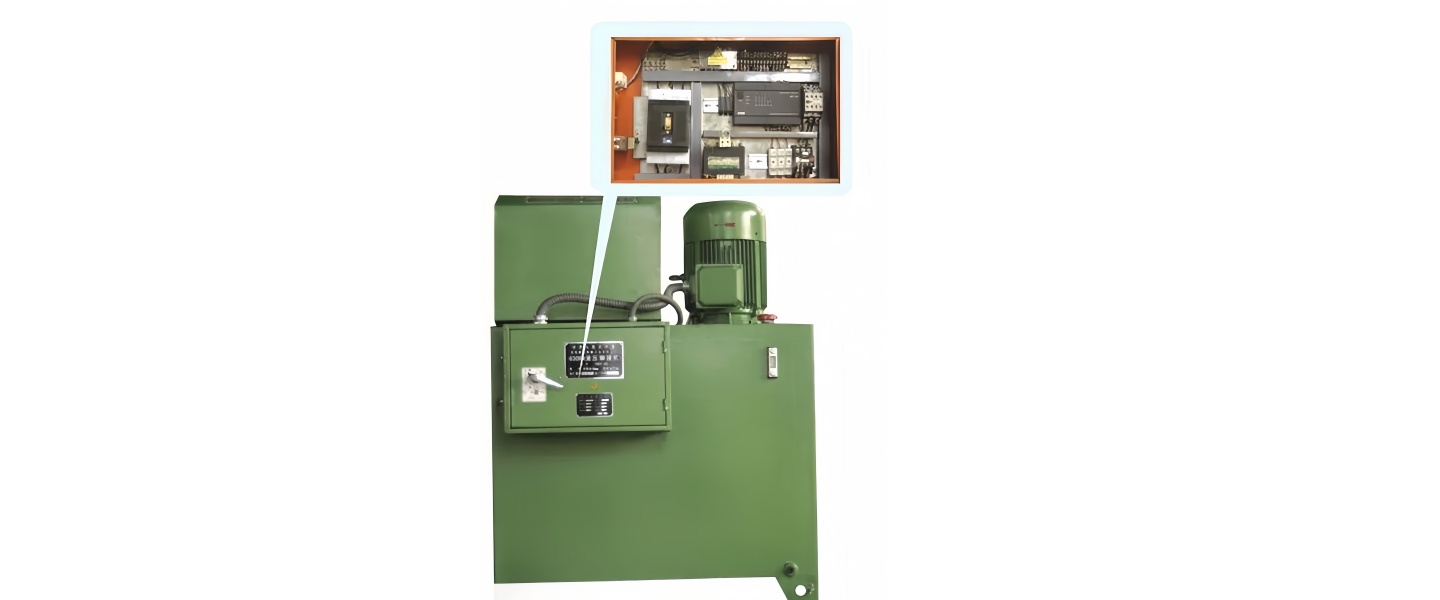
A riveting machine mainly consists of a hydraulic power unit, pipelines, a suspension device, and riveting tongs. The hydraulic power unit is connected to the riveting tongs via pipelines, with the tongs suspended from the lower end of the suspension device. They can rotate 360° horizontally and vertically around the suspension axis and move back and forth along the trolley on the suspension beam, facilitating the riveting of various parts of a vehicle frame.
Common Types:
Automatic Riveting Machine: Primarily used for semi-tubular rivets, capable of automatic feeding and offering high riveting efficiency.
Spin Riveting Machine: Can be divided into pneumatic and hydraulic spin riveting machines, mainly used for solid rivets or larger hollow rivets.
III. Product Applications and Performance:
The high-speed hydraulic riveting machine was independently developed by AYANK FORGING in the early 1980s to meet the needs of China's automotive industry, incorporating and adapting foreign technology. Over the past two decades, it has made significant contributions to China's automotive industry. With the rapid development of the automotive sector, our riveting machines have undergone several generations of innovation and are widely used in various applications, including riveting automotive frames, side frames, core plates, side column edge beams, and impact seats of railway freight cars and tank cars, as well as in aviation, mining vehicle chassis, and agricultural vehicle frames. Utilizing fully hydraulic transmission and control, the machine delivers high output pressure, enabling direct cold riveting and improving riveting quality. Compared to traditional pneumatic riveting, it offers advantages such as a better working environment, no noise, flexible and lightweight operation, reduced labor intensity, faster riveting speed, and higher production efficienc
Rivet and Riveting Force Calculation:
Rivet specifications are generally determined according to standards such as GB863.1-86, GB867-86, GB864-86, GB868-86, GB865-86, GB869-86, and others.
Rivet materials are typically Q235, F1, F2, or other ductile materials.
The rivet length is calculated using the following empirical formula (see Figure 1)
Rivet Length Formula:
L = 1.12δ + 1.4d
L: Rivet length (mm)
δ: Total thickness of the riveted parts (mm)
d: Rivet diameter (mm)
Rivet Diameter and Riveting Force (Cold Riveting) Comparison:
Rivet diameter
8
10
12
14
16
Riveting force
16
20
28
40
50
Hot Riveting Force Selection:
Refer to the following empirical formula:
Riveting force F = 10d²π/4 (tons)
d: Rivet diameter (cm)
IV. Scope of Application for Hydraulic Riveting Machines:
Rivetable Materials: In addition to low-carbon steel rivets, medium-carbon steel and stainless steel rivets can also be riveted. Copper and aluminum rivets are also within the riveting scope.
Rivetable Shapes: By changing the shape of the riveting head, various shapes can be achieved. Additionally, radial riveting machines can be used for embossing, engraving, and marking.
Radial riveting machines can also perform riveting on materials such as glass, plastic, and ceramics.
Applicable Industries: The cold rolling riveting method is widely used in precision machinery, textile equipment, steel furniture, architectural hardware, high and low-voltage electrical appliances, hardware tools, automotive and motorcycle parts, and many other industries. It is particularly prevalent in automotive and motorcycle components, such as door locks, wipers, brakes, clutches, rear door struts, door hinges, window regulators, carburetors, hand brakes, steering ball joints, and car shock absorbers.
V. Maintenance of Hydraulic Riveting Machines:
Strict Inspection and Maintenance to Ensure Normal Operation:
Operators must follow the inspection checklist to perform thorough inspections. Proper inspections can promptly identify issues with the hydraulic riveting machine and facilitate repairs, while reasonable maintenance reduces part wear, extends the machine's service life, and lowers repair costs. During operation, adhere to the "Three Goods" (manage well, use well, maintain well), "Four Abilities" (able to operate, maintain, inspect, and perform minor repairs), and "Five Fixeds" (fixed personnel, fixed locations, fixed timing, fixed quality, fixed quantity) principles to ensure stable operation.
Master Operational Skills to Ensure Product Quality:
Ensure the workpiece and rivets from the previous process are confirmed before riveting. Rework is labor-intensive and costly (removing rivets is particularly challenging). Therefore, operators must master operational techniques, verify the condition of riveting dies, rivets, and components, and follow operational guidelines to ensure product quality.
Avoid Improper Operations to Prevent Mechanical Injuries:
Although hydraulic riveting machines can handle complex rivet forming tasks for various rivet types, vigilance must not be relaxed. Always follow operational procedures when handling riveting tongs, and never place hands between the upper and lower riveting dies.