Forging Equipment Manufacturer: Die Forging Machines, Open Die Forging Machines
Fully Hydraulic Press- Industry Applications
2025-11-07
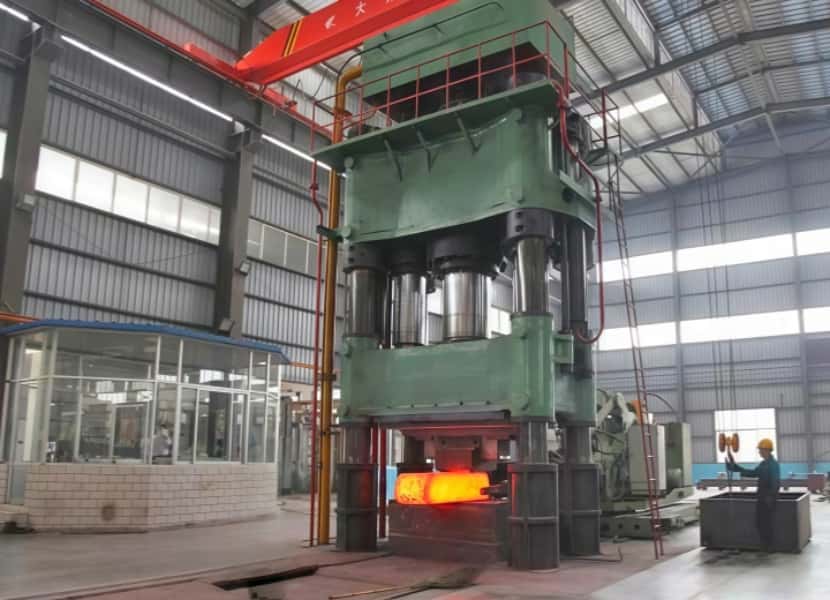
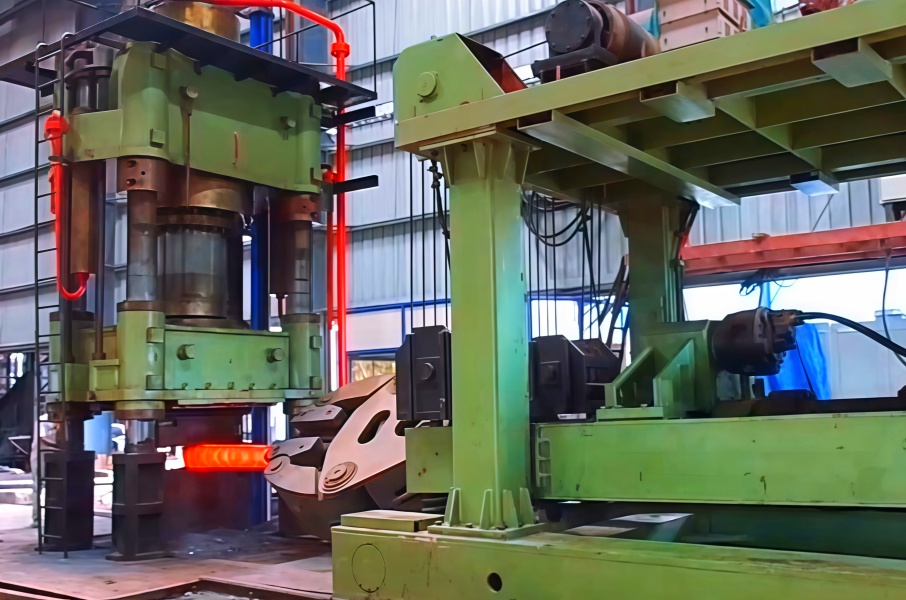
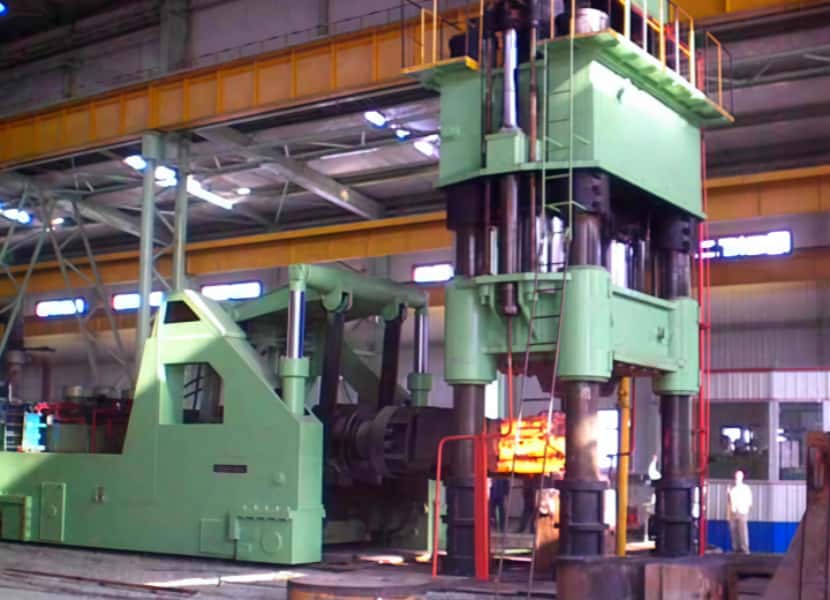
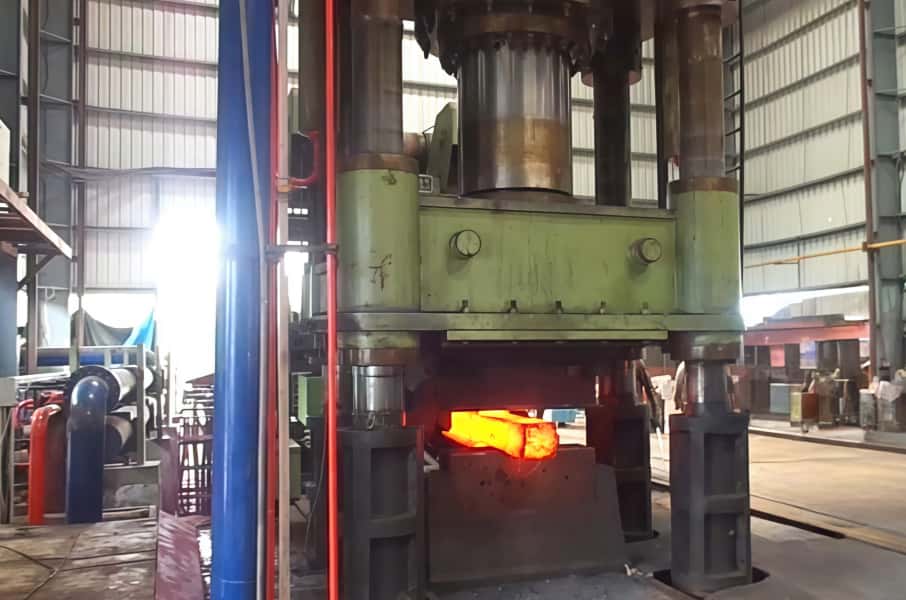
As a universal forging equipment, the Y13A Series Hydraulic Press is widely used in the following core industries:
I. Heavy Equipment Manufacturing
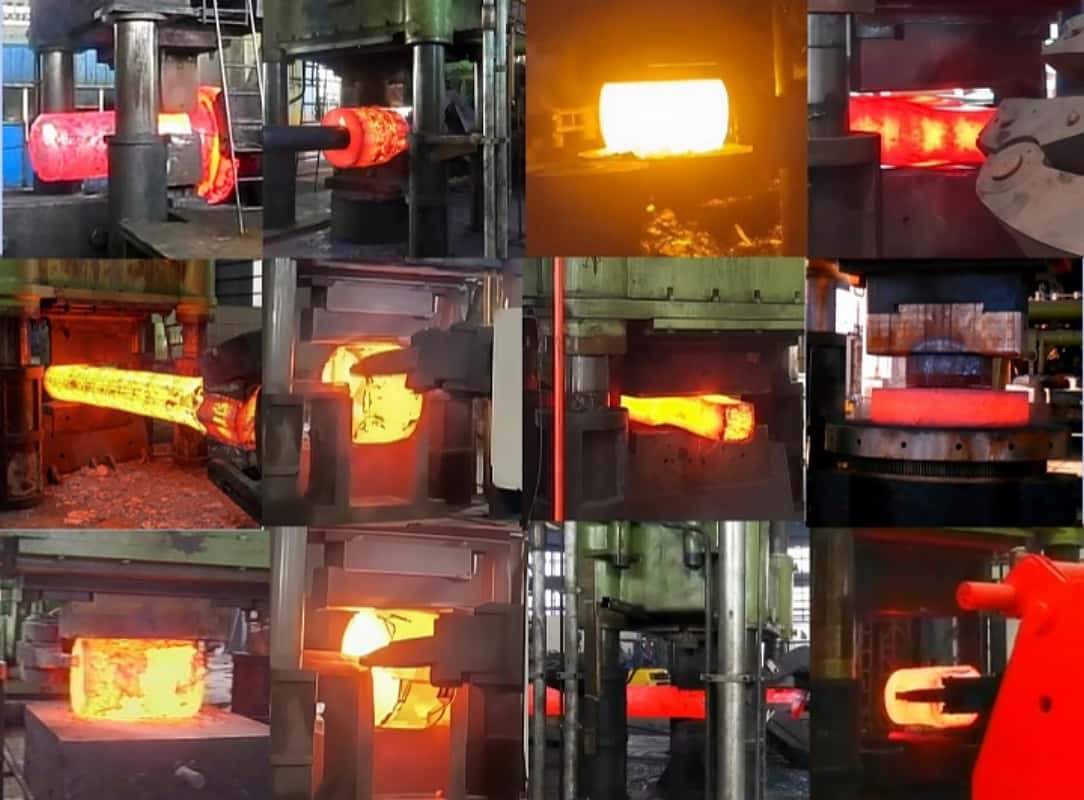
Power Energy Equipment• Wind Power: Upsetting forming of wind turbine main shafts and tower flange connections• Thermal/Nuclear Power: Pre-forming of turbine rotor blanks and high-pressure valve blanks• Hydropower Equipment: Free forging of large hydraulic turbine main shafts
Shipbuilding & Offshore Engineering• Drawing-out processing of marine diesel engine crankshaft blanks• Upset pre-forming of anchor chain components and propeller shafts• Pre-forging of mooring chain links for offshore platforms
II. Transportation Equipment
Rail Transit• Upset pre-processing of high-speed train/railway axle ends• Forming of gearbox transmission shafts and coupler system forgings• Free forging of critical load-bearing components for bogies
Automotive Manufacturing• Loose tooling forging of commercial vehicle axle housings and steering knuckles• Integrated production of punching-ring rolling blanks for transmission gears• Pre-forming of engine crankshaft blanks
III. High-End Component Manufacturing
Bearing Industry• Professional pre-forming (punching + leveling) for bearing ring rolling• Pre-forming of extra-large slewing bearing rings
Defense & Aerospace• Precision free forging of landing gear struts and turbine disk blanks• Closed-die forging of special alloy materials under protective atmosphere
IV. Basic Industrial Fields
Metallurgical Industry• On-site repair forging of large rolls and modules• Further precision forging of special steel ingots after blooming
Mining Machinery• Custom forging of crusher main shafts and mill gear blanks• Combined upsetting-drawing processes for hydraulic support columns
Industry Application Summary
The Y13A Series Fully Hydraulic Open-Die Forging Press supports dual modes of "free forging + ring rolling pre-forming," covering manufacturing scenarios ranging fromsmall-batch custom production (e.g., defense spare parts) toautomated mass production (e.g., bearing ring production lines). Its industry adaptability stems from the balance between forging precision, production efficiency, and investment cost, making it particularly suitable for traditional forging workshops undergoing technological upgrades.