What Are the Processes for Customizing a Automated Forging Production Line? A Detailed Guide to AYANK’s 5 Core Steps
2026-05-26
I. How to customize an automated forging production line
Customizing a line is not a matter of picking machines from a catalog. It follows four principles — the demand leads, the process decides, the equipment fits the process, and the whole line works as one unit. The five points below are the order in which that actually happens.
Point 1 — Clarify what the customer needs to forge
Core content. Establish the specification, the material, the forging process, the quality standard for the finished part, the target output and the expected cost per piece.
Why it comes first. Every later decision — process design, machine selection, layout — hangs off these numbers. Change them halfway through and the adaptability and the operating results of the whole line change with them, which is why this is the prerequisite of the entire project.
Point 2 — Optimize the forging process
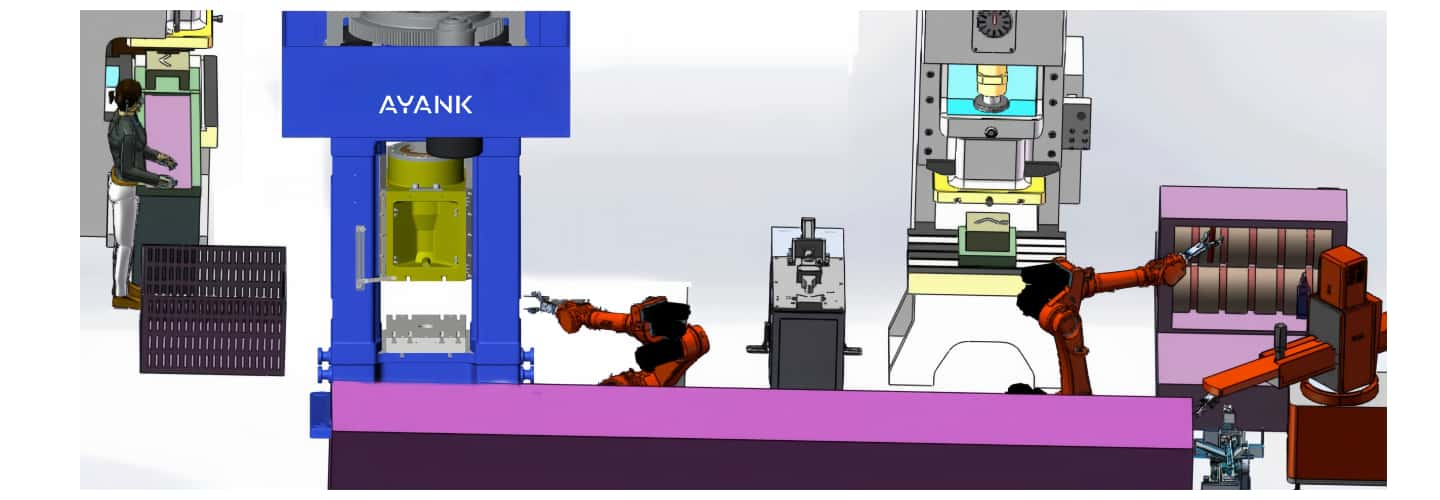
Core content. Choose the right process route for the part and optimize it: design the sequence of operations and the transfer between them so billets flow without waiting. The output of this step is a process plan and a workshop layout detailed enough to buy equipment against.
Why it comes second. The process is the spine of the line. It sets the construction cost, the running efficiency and the quality of the part that comes off the end.
Point 3 — Select the main forging equipment
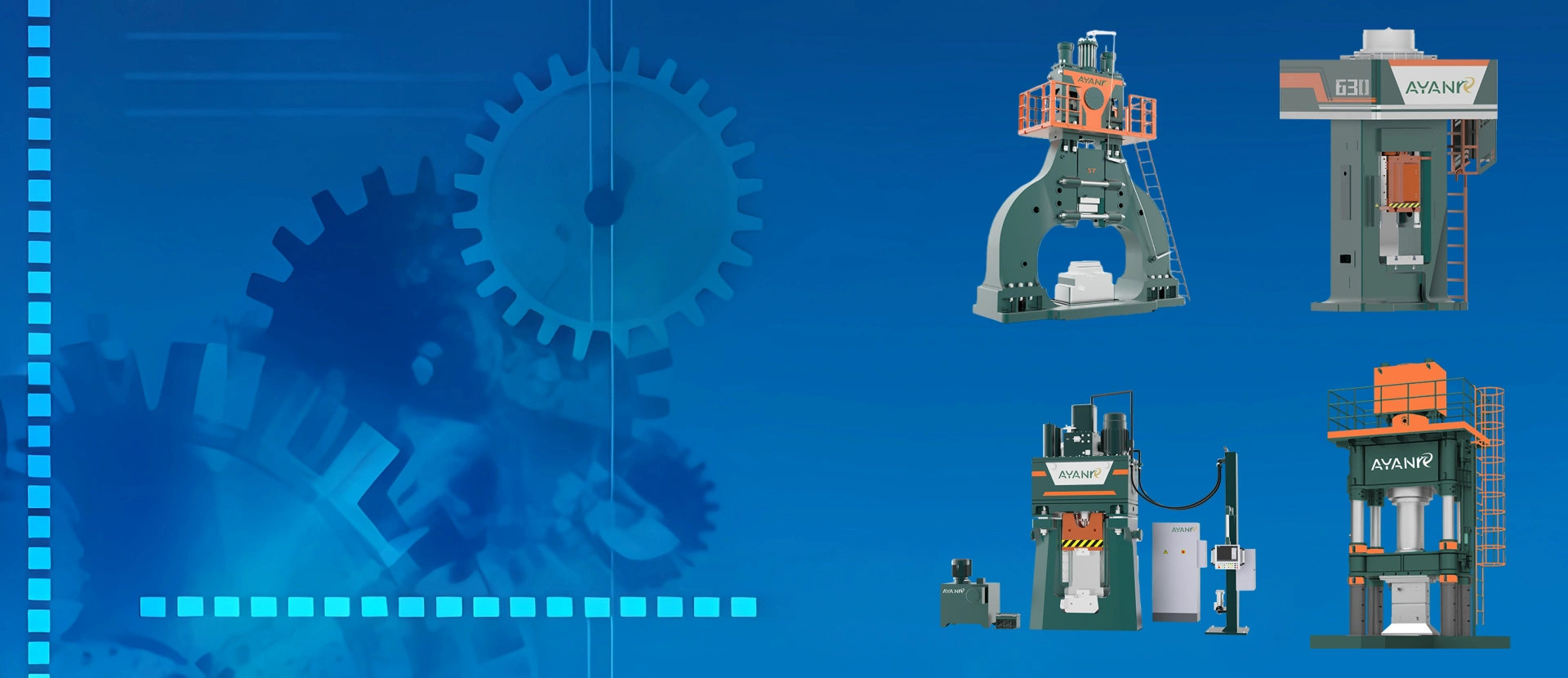
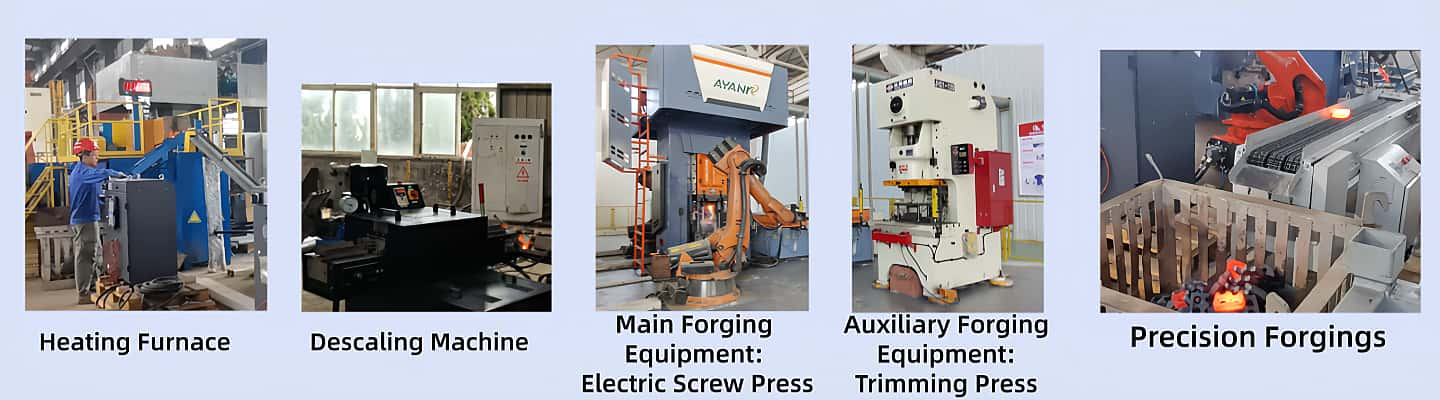
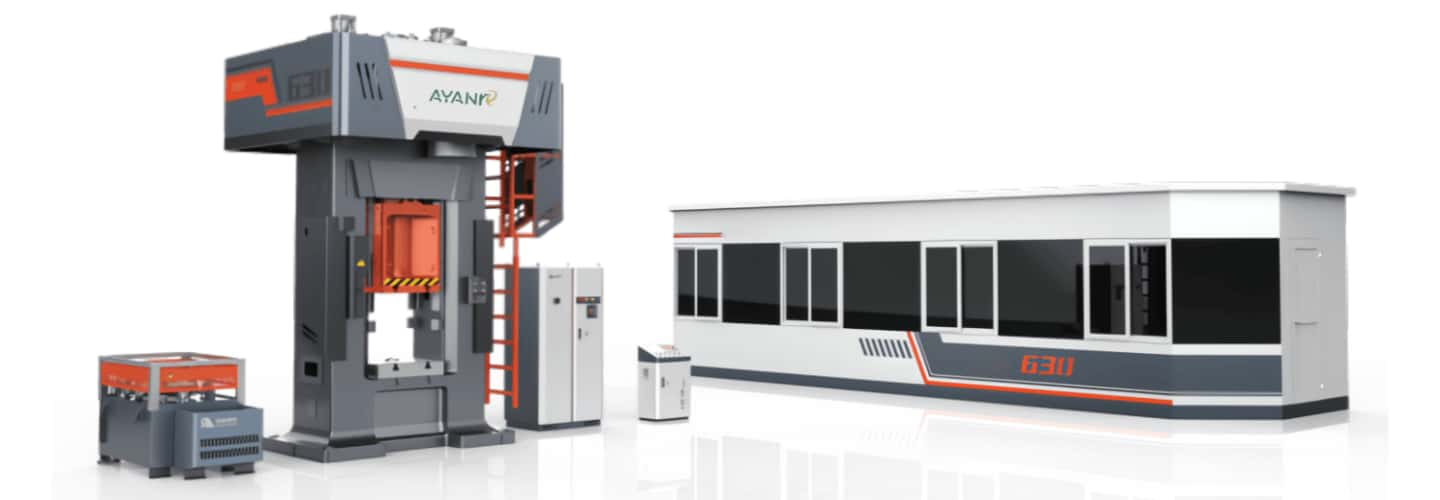
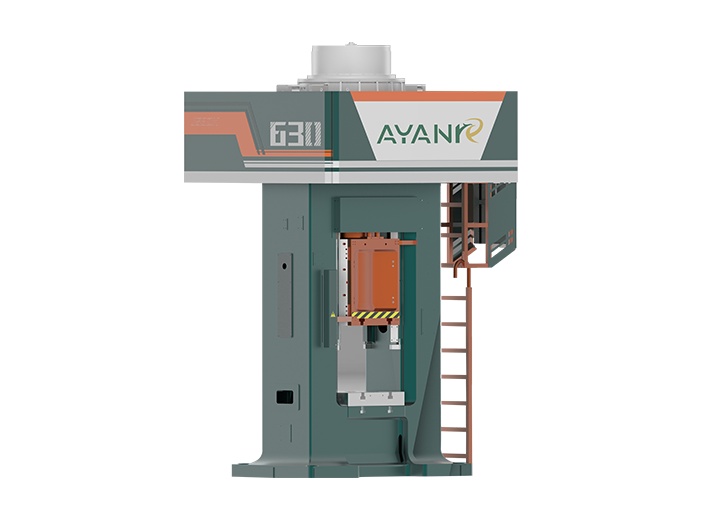
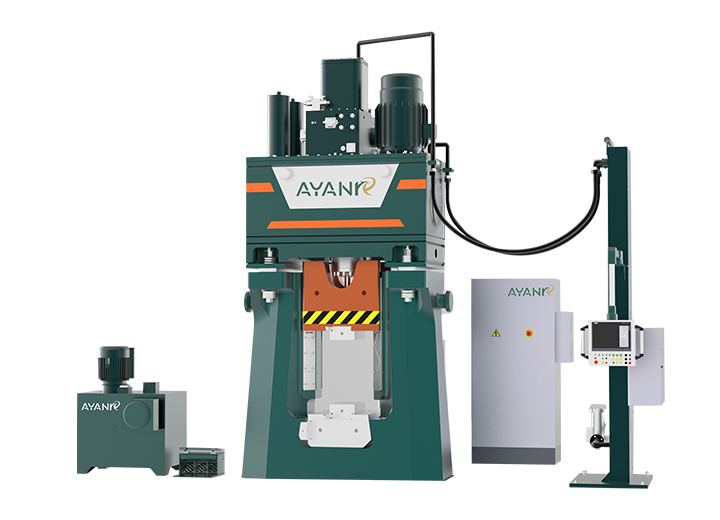
Core content. The main press is the core of the automated forging production line and the largest single item of cost. It is chosen from the process, not from a price list: tonnage or striking energy has to cover the load the forming simulation gives, with margin. Favor machines that are energy-efficient, clean and durable — the J58KA and J58ZKA electric screw presses are the usual choice on a line of this class. Existing equipment can be worked into the plan, but a machine that is old and inefficient caps the output of everything downstream of it, and replacing it is often the cheaper decision over the life of the line.
Point 4 — Select the auxiliary equipment
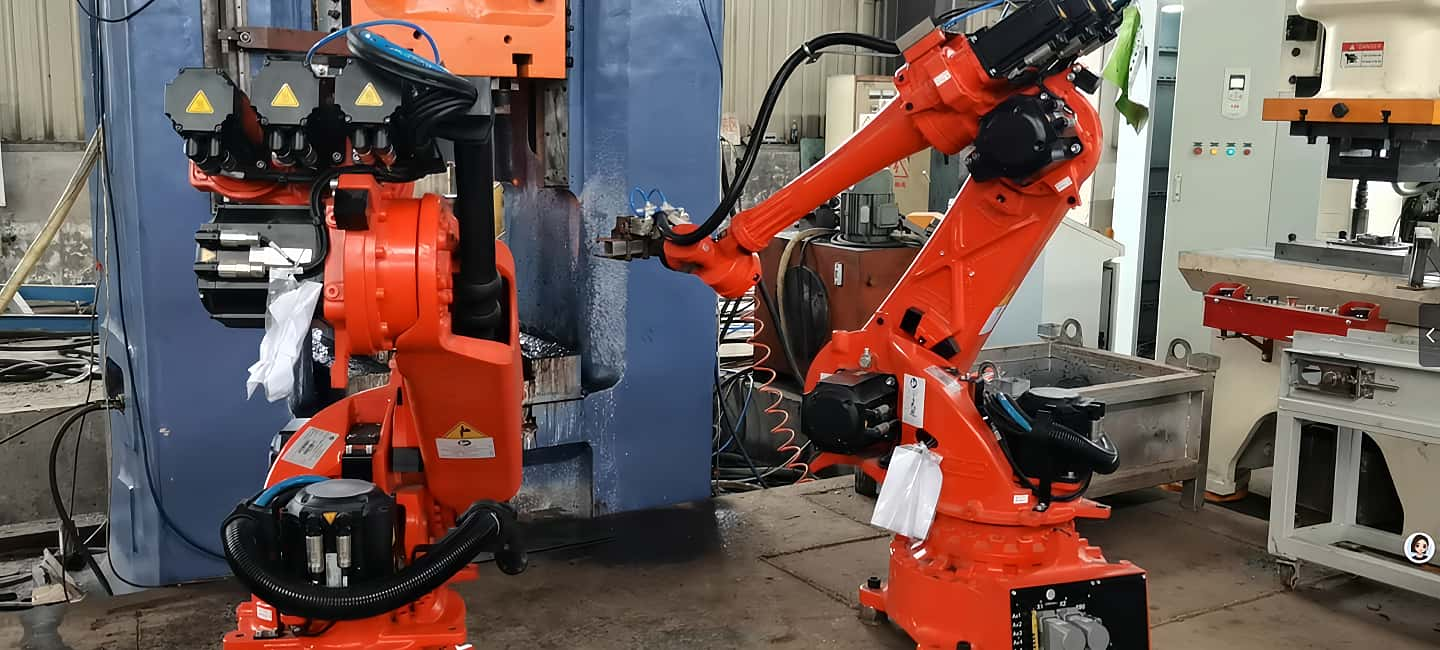
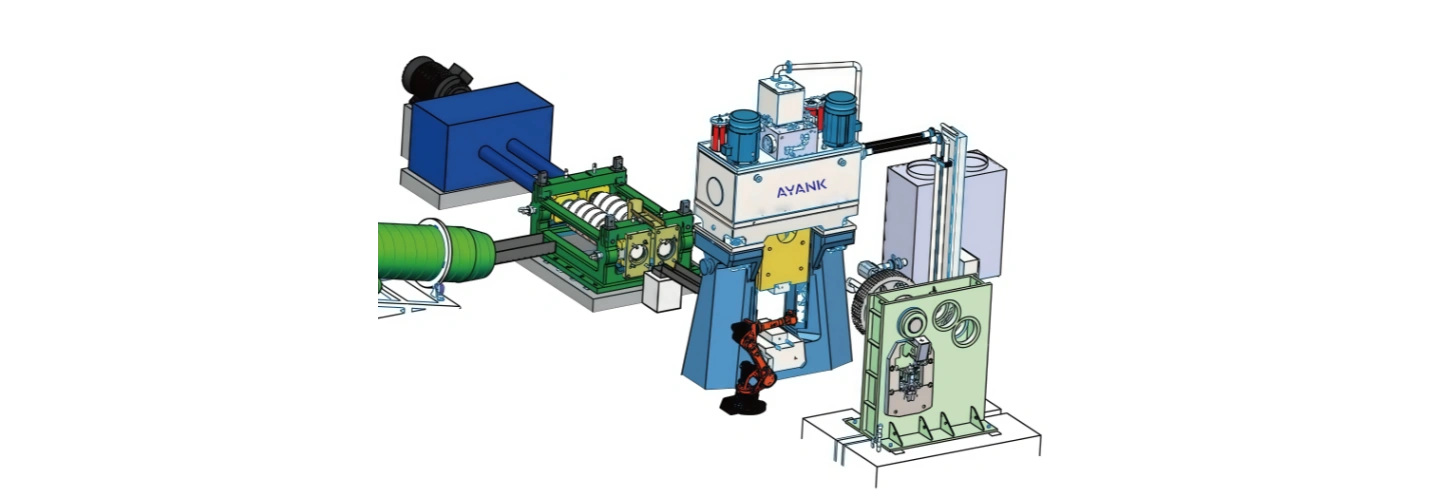
Core content. Feeders, heating furnaces, trimming and punching presses, scale removal machines, graphite spraying equipment, conveyors and robots. Together they take a small share of the budget and a large share of the downtime, so the requirement is fit: every unit has to match the main press and the process in cycle time and in interface. Specify reputable, reliable equipment with a low failure rate rather than the cheapest available, because the maintenance bill accumulates for as long as the line runs.
Point 5 — Make process, equipment and workflow work together
Core content. Design the automated sequence as one system. Choose equipment that suits automation rather than equipment that has to be adapted to it, optimize the transfer between stations, and let the three — process, equipment, workflow — carry each other. That collaboration is what makes an automated forging production line earn its cost.
The goal. Continuous, smooth production at the capacity and quality standard agreed at Point 1. A set of individually fast machines that queue into each other is not a line.
II. Which industries suit an automated forging production line?
AYANK builds these lines as a one-stop package on its own process know-how and its own machine range, which is why they fit most forging work:
Automotive. Crankshafts, gears, brake discs and similar driveline and chassis parts.
Construction machinery. Structural and wear parts for earthmoving and lifting equipment.
Hardware tools. Wrenches, pliers and the rest of the hand tool family, where volume and repeatability decide the price.
Basic industry. Railway, transport, power, petrochemical and shipbuilding components.
High-end manufacturing. Precision forgings for military, aerospace and aviation supply chains.
III. Frequently asked questions
What do you need from a customer before designing a line?
The part drawing, the material, the quality standard, the output per shift and the target cost per piece. Those five numbers drive the process route, the machine size and the layout, which is why they come before anything else.
Can we keep the presses we already have?
Yes, existing main equipment can be worked into the layout. The exception is a machine that is old and inefficient: it becomes the bottleneck the rest of the line waits on, and replacing it is usually cheaper over the life of the line than designing around it.
Where does the money go in an automated forging production line?
The main forging press is the largest single item and the one worth getting right. Feeders, furnaces, trimming presses, scale removal, spraying equipment, conveyors and robots are a smaller share of the budget, but they cause most of the stoppages, so they are specified for fit and reliability rather than price.
Why does the process have to be fixed before the equipment?
Because the process sets the load, the cycle time and the transfer between stations. Select machines first and the line ends up shaped by what was available rather than by what the part needs, which shows up later as cost and as idle time.
Send the part drawing, the material and the output you need. We will come back with a process route, a machine list and a layout.